
 by
by I remember sitting on my kitchen floor at 3:00 AM, clutching a heating pad and staring at a half-empty bottle of expensive probiotic supplements that promised to “fix everything.” I was exhausted, bloated, and honestly, just angry. I had spent hundreds of dollars trying to fix my gut with trendy powders and detox teas, completely ignoring the fact that the real culprit was my chaotic lifestyle. It turns out, you can’t out-supplement a lifestyle that treats sleep and digestion like optional afterthoughts.
I’m not here to sell you a $90 jar of “gut-healing” dust or give you some vague, clinical lecture about circadian rhythms. Instead, I want to talk about what actually works when you’re tired, stressed, and feeling like your stomach is in a permanent state of revolt. I’m going to share the real-world tactics I used to stop the cycle of midnight bloating and morning fatigue. We’re going to cut through the wellness industry’s nonsense and focus on the practical habits that actually help you rest better and eat without fear.
Table of Contents
Decoding the Gut Brain Axis Connection

Think of your gut and your brain as two roommates who share a single, very sensitive nervous system. They aren’t just coexisting; they are constantly texting each other via the vagus nerve, sending endless updates on how everything is going. This is the gut-brain axis connection in action. When you’re stressed or running on empty, your brain sends signals that can effectively shut down your digestive engine, leading to that heavy, bloated feeling that makes it impossible to settle into bed.
It’s a messy, two-way street. If your gut is struggling to process a late-night snack, it sends “emergency” signals back up to your brain, keeping you in a state of high alert. This creates a frustrating loop where your digestive system keeps you awake, and your lack of rest makes your gut even more sensitive the next day. It’s not just about a stomach ache; it’s about a total systemic breakdown that disrupts how your body handles everything from hunger to deep, restorative rest.
How Circadian Rhythm and Metabolism Control Your Fuel
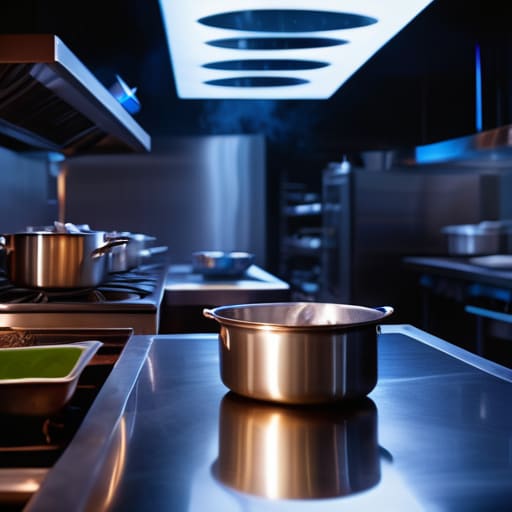
Think of your body like a high-end restaurant. There’s a specific time for prep, a rush hour for service, and a strict closing time for cleaning. This is essentially how circadian rhythm and metabolism work together. Your body isn’t designed to process heavy fuel 24/7; it has internal biological clocks that signal when to burn energy and when to shift into repair mode. When you ignore these cues by snacking late at night, you’re essentially asking the kitchen to run a full dinner service at 3:00 AM.
It’s also worth noting that stress doesn’t just happen in your head; it’s a physical cascade that hits your digestive tract hard. If you’re feeling overwhelmed by the constant grind, sometimes the best thing you can do for your gut is to actually unplug and change your scenery. I’ve found that planning a trip—even if it’s just something to look forward to on the calendar—can significantly lower those cortisol levels that wreak havoc on your stomach. If you’re feeling the itch to wander, checking out something like italytourbus is a great way to start dreaming up a real mental reset that might just do more for your digestion than any probiotic ever could.
The problem is that your metabolic processes slow down significantly once the sun goes down. If you’re still shoving food into your system while your body is trying to power down, you create a massive bottleneck. This is where things get messy—literally. For many, poor digestion timing for better rest leads to that uncomfortable, burning sensation in the chest, as your body struggles to manage gastric juices while you’re lying flat. If you want to stop feeling like a bloated mess every morning, you have to respect the rhythm.
5 Ways to Stop Your Late-Night Habits From Ruining Your Gut
- Stop the midnight snack marathon. If you’re eating heavy meals right before hitting the pillow, your body is forced to choose between repairing your brain and digesting that leftover pizza. Give your gut at least two or three hours of peace before you sleep.
- Watch the caffeine cutoff. That 4 PM espresso might feel fine in the moment, but it can wreak havoc on your sleep architecture, which in turn keeps your digestive system in a state of high alert instead of letting it rest.
- Stick to a consistent eating window. Your digestive enzymes and gut bacteria actually have their own internal clocks. When you eat at the same times every day, your body knows exactly when to ramp up production and when to chill out.
- Manage your stress before the lights go out. High cortisol levels are a one-way ticket to bloating and indigestion. Try some light stretching or deep breathing to signal to your nervous system that it’s time to move from “fight or flight” into “rest and digest” mode.
- Prioritize hydration, but time it right. Staying hydrated is non-negotiable for smooth digestion, but chugging a liter of water right before bed will just result in a midnight bathroom run that breaks your sleep cycle. Sip steadily throughout the day instead.
The Bottom Line: How to Stop the Sleep-Stomach Cycle
Treat your sleep schedule like a meal plan; consistency is what keeps your digestive clock from running haywire.
Prioritize rest to lower cortisol, because a stressed-out brain is the fastest way to trigger a gut flare-up.
Listen to your body’s signals—if your digestion feels off, don’t just reach for an antacid, look at your pillow first.
## The Bottom Line
“You can eat the cleanest, most organic diet on the planet, but if you’re treating sleep like an optional luxury, your gut is just going to treat that food like a ticking time bomb.”
Writer
The Bottom Line
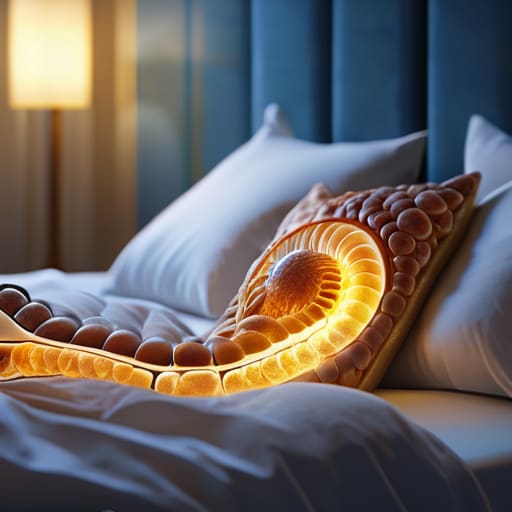
At the end of the day, your gut and your sleep aren’t just roommates; they are deeply intertwined partners in your overall health. We’ve looked at how the gut-brain axis keeps the communication lines open and how your circadian rhythm dictates exactly how your body processes fuel. If you ignore your sleep, you aren’t just feeling groggy—you are actively throwing a wrench into your digestive machinery. You can eat all the probiotic-rich foods in the world, but if you’re consistently running on four hours of sleep, your metabolism is going to stay stubbornly out of sync.
Stop looking at sleep as a luxury or something you can “catch up on” during the weekend. It is a fundamental pillar of your biological foundation. Start viewing that extra hour of rest as a direct investment in your digestive peace and your long-term energy levels. It’s not about being perfect every single night, but about making the conscious choice to respect your body’s natural rhythms. Once you start prioritizing that rest, you’ll be surprised at how much more harmonious your body feels from the inside out.
Frequently Asked Questions
Can I just drink more coffee to make up for a bad night's sleep and keep my digestion on track?
Short answer? Please don’t. I know the siren call of that third espresso is strong when you’re running on fumes, but using caffeine as a crutch is a recipe for digestive disaster. Coffee is an acid stimulant; if your gut is already stressed from lack of sleep, dumping more acid into the mix is just asking for heartburn or a frantic dash to the bathroom. It masks the fatigue, but it won’t fix the underlying chaos.
Is there a specific time I should stop eating at night to avoid messing with my sleep quality?
The short answer? Try to aim for a three-hour buffer between your last bite and your head hitting the pillow. If you’re wolfing down heavy pasta at 9:00 PM and trying to sleep at 10:00, your body is stuck in a tug-of-war. Instead of focusing on rest, your system is working overtime to churn through fuel, which spikes your core temperature and keeps you tossing and turning. Give your gut a head start.
Does stress play a bigger role in this cycle than actual sleep deprivation does?
It’s a bit of a “chicken or the egg” situation, but honestly? Stress is often the real heavyweight champion here. You can sleep eight hours straight, but if you’re lying there with your mind racing or waking up in a cortisol-fueled panic, your digestion is still going to be a mess. Stress hijacks your nervous system, effectively telling your gut to shut down while your brain is in fight-or-flight mode. It’s a brutal cycle.


