
 by
by I was sitting on my floor last Tuesday, surrounded by three overflowing cardboard boxes and a mounting sense of dread, staring at a stack of “space-saving” plastic bins I’d bought from an infomercial. It hit me right then: we’ve been lied to. Most of the advice out there about decluttering small spaces is just a clever way to sell you more expensive containers to hide your mess in. You don’t need a $50 acrylic organizer to fix a lifestyle problem; you need to stop treating your tiny apartment like a storage unit and start treating it like a home.
I’m not here to peddle aesthetic perfection or tell you to buy a matching set of wicker baskets. Instead, I’m going to share the gritty, unpolished reality of what actually works when you’re fighting for every square inch of floor space. We’re going to dive into the no-nonsense tactics I used to reclaim my sanity, focusing on ruthless editing and smarter habits rather than more stuff. Consider this your guide to clearing the chaos without breaking the bank or losing your mind.
Table of Contents
Cultivating a Necessary Decluttering Mindset for Small Homes
Before you even touch a single cardboard box or pick up a trash bag, we need to have a serious heart-to-heart about your brain. Most people fail at tidying because they treat it like a chore rather than a shift in perspective. If you approach this with a “just move it from the table to the drawer” mentality, you aren’t actually solving anything; you’re just hiding the mess. Developing a true decluttering mindset for small homes means accepting a hard truth: you cannot fit a big-house lifestyle into a studio apartment without some serious mental gymnastics.
You have to stop viewing your belongings as “just in case” items and start seeing them as physical obstacles to your peace of mind. In a cramped layout, every single object demands its own square inch of real estate, and that’s a high price to pay. Instead of hunting for more bins, start asking yourself if an item actually serves your current life. Once you stop mourning the “what ifs” and start prioritizing functionality, you’ll find that minimalist home decor ideas stop feeling like a strict rulebook and start feeling like a massive relief.
Tiny House Organization Hacks for Instant Relief
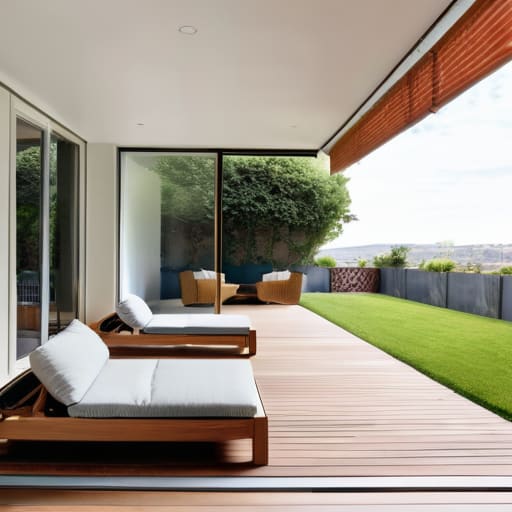
Once you’ve managed to clear the indoor clutter, you’ll likely realize that your living area feels even smaller because you’re trapped inside. If you have any outdoor space at all, I can’t tell you enough how much it helps to treat your patio like a true extension of your home. Adding some shade with an artificialawn can actually make your footprint feel much larger by creating a dedicated “outdoor room” where you can breathe without feeling boxed in by your own walls. It’s one of those game-changing shifts that makes a tiny floor plan feel significantly less claustrophobic.
Once you’ve wrestled with your mindset, it’s time to get tactical. The biggest mistake people make in cramped quarters is only thinking about floor space. If you stop looking at the ground and start looking at your walls, everything changes. This is where maximizing vertical storage becomes your absolute best friend. Think about those awkward gaps above your doorway or the empty space between your bookshelf and the ceiling; those are prime real estate opportunities for floating shelves or even slimmed-down hanging organizers.
Beyond just adding shelves, you have to be ruthless about choosing the right gear. Stop buying bulky, standalone pieces that eat up your walking paths. Instead, look for space-saving furniture solutions like ottomans with hidden compartments or nesting tables that disappear when you don’t need them. These tiny house organization hacks work because they allow your home to breathe and adapt to your daily rhythm rather than forcing you to shuffle around heavy, static objects. When your furniture works as hard as you do, that feeling of constant clutter finally starts to lift.
Five Low-Effort Ways to Stop the Clutter Creep
- Stop treating your “junk drawer” like a black hole; if you haven’t touched that tangle of old charging cables in six months, they aren’t tools, they’re just dust magnets.
- Shop your own house before buying more bins, because adding plastic organizers to a room full of stuff is just organizing clutter, not actually solving the problem.
- Embrace the “one in, one out” rule religiously, meaning if you bring home a new cozy sweater, an old one has to be donated immediately so your closet doesn’t explode.
- Use the vertical space you’re currently ignoring by installing floating shelves or hanging organizers, because when you run out of floor space, the walls are your best friend.
- Be ruthless with your digital clutter too, because a phone overflowing with useless screenshots and 5,000 unread emails creates just as much mental heaviness as a messy countertop.
The Bottom Line: Making Space to Breathe
Stop treating your small home like a storage unit; if an item doesn’t serve a purpose or bring you genuine joy, it’s just taking up precious mental and physical real estate.
Focus on verticality and multi-functional pieces to trick your eyes into seeing more floor space and less clutter.
Consistency beats intensity—five minutes of daily tidying is much more effective for maintaining a tiny home than a grueling, once-a-month marathon.
The Real Cost of Clutter
“In a small home, every single object you own is asking for a piece of your peace; if it isn’t serving a purpose or bringing you genuine joy, it’s not just taking up space—it’s taking up your life.”
Writer
Reclaiming Your Space
At the end of the day, decluttering a small home isn’t just about finding a clever way to stack your books or hiding your junk in a decorative bin. It’s about the mental shift we talked about earlier—moving away from the “just in case” hoarding mentality and leaning into the intentionality of every single item you own. We’ve covered the mindset shifts needed to break the cycle of clutter and the quick-fix hacks that provide that much-needed breathing room. When you combine a clear head with smart, vertical storage and ruthless editing, you stop fighting against your square footage and start actually living within it.
Don’t feel like you have to tackle the entire apartment in a single, exhausting weekend. If that feels overwhelming, just pick one drawer, one shelf, or even just one corner of your desk. The goal isn’t perfection; it’s creating a sanctuary that serves you rather than a space that drains you. You deserve to come home to a place that feels calm, even if it is small. So, grab a trash bag, put on your favorite playlist, and just start. You’ve got this.
Frequently Asked Questions
How do I decide what to get rid of when everything I own feels sentimental?
The “sentimental trap” is the hardest part of this whole process. When everything feels like a piece of your soul, you can’t just toss it. Instead, try the photo trick: snap a picture of the item. You’re keeping the memory, not the physical clutter. If it’s too precious to photograph, ask yourself: “Does this object actually serve my life today, or am I just guarding a ghost?” If it’s a ghost, let it go.
What should I do with all the stuff I declutter if I don't want to just throw it in the trash?
Don’t just dump your purged items in a landfill—that defeats the whole purpose of clearing out the chaos. If it’s still functional, give it a second life. Sell the high-value stuff on Facebook Marketplace or Poshmark to fund your next home upgrade. For everything else, hit up a local thrift store or donate to a charity that actually needs it. It feels way better knowing your “clutter” is helping someone else.
How can I stop the clutter from creeping back in once I've finally cleared everything out?
The “clutter creep” is real, and it usually happens because we treat decluttering like a one-time spring cleaning instead of a lifestyle. To stop the tide, you need a “one in, one out” rule—if a new mug comes in, an old one has to go. Also, stop the “doom piles.” If you don’t have a designated home for an item, it becomes clutter. If it doesn’t have a home, it doesn’t belong in your house.


