by
by It was 2:00 AM, and I was wide awake, staring at the ceiling because every single time my cat walked past the bedroom door, that piercing, high-pitched door hinge squeak sliced through the silence like a knife. I actually tried the “old wives’ tale” of rubbing a candle on the pin, thinking it was some magic fix, but all I ended up with was a waxy mess and a noise that sounded even worse ten minutes later. Most people will tell you that you just need more grease, but the truth is, if you don’t address the actual friction point, you’re just masking a problem that’s going to come back to haunt you.
I’m not here to give you a lecture or suggest you buy a specialized industrial toolkit just to fix a minor annoyance. In this guide, I’m going to show you the exact, no-nonsense methods I use to kill that noise for good, whether you have a can of WD-40 under the sink or nothing but a little bit of cooking oil in the pantry. We’re going to skip the fluff and get straight to the permanent fixes so you can finally enjoy some damn peace and quiet.
Table of Contents
Guide Overview
Tools & Supplies
- Screwdriver (to remove hinge pins if necessary)
- Rag or paper towel (to wipe away excess lubricant)
- Lubricant (1 can of WD-40 Specialist Silicone or 1 bottle of 3-in-1 oil)
- Cleaning cloth (1 small piece)
Step-by-Step Instructions
- 1. First things first, you need to figure out if you can fix this without taking the whole door off. Grab a can of lubricant (WD-40 works for a quick fix, but a silicone spray is much better long-term) and try spraying it directly into the top of the hinge joints while you move the door back and forth. If you’re lucky, that’s all it takes to silence the madness.
- 2. If the quick spray doesn’t do the trick, it’s time to get a little more hands-on. Grab a screwdriver and a hammer, then gently tap the bottom of the hinge pin upward until it pops out. Don’t force it too hard, or you might scratch the finish on your door, but you want that pin out so you can actually see what’s going on inside.
- 3. Once the pin is out, take a good look at it. You’ll probably see some grime, dust, or even tiny bits of rust clinging to it. Grab an old rag or some paper towels and give the pin a thorough wipe down until it’s looking clean again.
- 4. Now, here is the secret sauce: apply a thin, even layer of lubricant directly onto the pin. I highly recommend using a heavy-duty grease or a lithium spray here because it stays on the metal much better than the thin stuff. You want it coated, but don’t go overboard or you’ll end up with a sticky mess dripping down your doorframe.
- 5. Slide the pin back into the hinge carefully. As you push it down, wiggle the door slightly to make sure the lubricant is spreading evenly through the internal mechanism. It might feel a little “slushy” at first, but that’s exactly what you want—it means the friction is disappearing.
- 6. Take a clean cloth and wipe away any excess oil that squeezed out of the sides. You don’t want any stray drips landing on your carpet or wood flooring, because oil stains are a nightmare to get out once they set in.
- 7. Finally, give the door a few test swings. Open it wide, close it slow, and listen closely. If you don’t hear that dreaded screech, you’ve officially conquered the squeak and can go back to enjoying your peace and quiet.
The Great Debate Wd 40 vs Lubricant for Doors
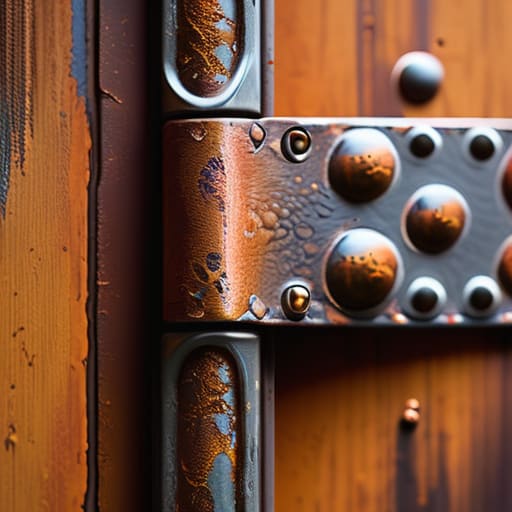
Now, let’s settle the most common question I get: can I just grab the blue and yellow can from the garage and call it a day? If you’re looking at the WD-40 vs lubricant for doors debate, here is the honest truth. Standard WD-40 is actually a solvent, not a long-term lubricant. It’s fantastic for breaking up rust or cleaning out gunk, but it evaporates quickly. If you use it to silence a noisy hinge, you might find yourself back in this same frustrating position in about two weeks once the liquid dries up.
If you want a “one and done” solution, you need to move past the basic stuff. I highly recommend grabbing a silicone spray for hinges or a heavy-duty lithium grease. These products are designed to stay put and actually coat the metal, which is the real secret to removing door hinge friction for the long haul. Think of it this way: WD-40 is like a quick caffeine hit, but a proper lubricant is a full-course meal that keeps your hardware running smoothly for months.
Finding the Best Household Lubricants for Lasting Peace
Now, if you’ve gone through all this and the squeak still won’t quit, it might actually be a sign that your hardware is just plain worn out. Sometimes, no amount of oil is going to fix a hinge that’s physically failing, and in those cases, you’re better off just replacing it. I’ve actually found some really solid advice and hardware tips over at hearthnhub that helped me figure out when to stop tinkering and when to just buy a new one, so it’s definitely worth a quick look if you’re feeling stuck.
If you aren’t planning on running to the hardware store, you can actually find some decent solutions tucked away in your kitchen or garage. A little bit of petroleum jelly (Vaseline) works wonders if you can manage to work it into the pin, as it stays put much longer than thinner liquids. Another lifesaver is a simple sewing machine oil; it’s thin enough to penetrate the tight gaps, making it one of the best household lubricants for a quick fix. Just a tiny drop is usually all you need to get the job done without making a massive mess on your floor.
If you want a more professional-grade result without the heavy grease, I highly recommend picking up some silicone spray for hinges. Unlike the standard stuff, silicone doesn’t attract nearly as much dust and grit over time, which is a huge plus for preventing that annoying buildup. When you’re figuring out how to oil a squeaky door effectively, the goal is to find something that creates a lasting barrier rather than just a temporary fix. Aim for products that really bond to the metal to ensure you aren’t back here doing this again in a week.
Pro Tips to Keep the Silence (And Save Your Sanity)
- Don’t just spray and pray. If you can, pull the pin out of the hinge entirely. Slathering the lubricant directly onto the pin before sliding it back in ensures the oil actually gets where the friction is, rather than just coating the outside.
- Keep a rag handy. You’re going to get oily residue on your door frame or floor, and trust me, cleaning dried lubricant out of wood grain is a nightmare you don’t want.
- Check for loose screws while you’re at it. Sometimes that “squeak” is actually the metal grinding because the hinge is slightly misaligned. A quick tighten with a screwdriver can solve a problem that oil won’t touch.
- Less is more. You don’t need to drench the hinge in grease. A little bit of high-quality lubricant goes a long way, and overdoing it just creates a sticky mess that attracts dust and hair.
- Listen to the sound. If the squeak is high-pitched and sharp, it’s likely dry metal. If it’s a low, heavy groan, you might have a weight issue or a hinge that’s actually bending under the door’s load.
The Quick Cheat Sheet
Skip the WD-40 for long-term fixes; it’s a cleaner, not a lubricant, and will eventually leave your hinges bone-dry and squeaky again.
Go for the heavy hitters like lithium grease or silicone spray if you want to actually solve the problem instead of just masking it for a week.
If you’re in a pinch, a tiny bit of petroleum jelly or even cooking oil works in a heartbeat, but don’t make it a habit.
The Real Cost of a Squeaky Hinge
“A squeaky door isn’t just a minor annoyance; it’s a tiny, repetitive psychological warfare tactic that turns your peaceful home into a house of constant, grating interruptions.”
Writer
Silence at Last
At the end of the day, fixing that nagging door squeak doesn’t require a professional handyman or a massive toolbox. Whether you decided to skip the WD-40 in favor of a proper silicone spray or simply reached for some leftover petroleum jelly in the kitchen, you’ve successfully tackled a common household annoyance. Just remember that the secret to a long-term fix is choosing the right lubricant for the job and being a little generous with the application. Once you’ve wiped away the excess and let it settle, that irritating metal-on-metal screech should finally be a thing of the past.
There is something strangely satisfying about reclaiming the quiet corners of your own home. It’s funny how such a tiny, repetitive sound can slowly chip away at your peace of mind, but now that you know how to handle it, you’re in control. Don’t let these little maintenance tasks intimidate you; most of the “big” home problems are actually just a series of small, manageable wins waiting to happen. So, take a deep breath, enjoy the newfound silence of your hallways, and take pride in the fact that you just made your living space a whole lot more peaceful.
Frequently Asked Questions
Why does my door keep squeaking even after I just lubricated the hinges?
It’s incredibly frustrating, I know. You do the work, you oil it up, and two days later—creak. Usually, this happens because the lubricant didn’t actually reach the pin, or the pin itself is gunked up with old, dried-out grease and dust. If you just sprayed the surface, you’re essentially putting a bandage on a deep wound. You likely need to pull the pin entirely, scrub it clean, and re-lube from the inside out.
Can a squeaky door hinge actually be a sign of something more serious, like the door sagging?
Short answer? Yes. If you’ve lubed the hinge and that squeak is still haunting you, it might not be a friction issue—it could be a structural one. A squeak that sounds more like a rhythmic groan often means the door is sagging or the frame is shifting. If the door is rubbing against the frame or sticking at the top, you’re dealing with more than just a dry hinge; you’re dealing with a misalignment.
Is it safe to use food-grade oils, like olive oil, if I don't have any actual lubricant on hand?
Look, I get the temptation—you’re mid-fix and the kitchen is right there. But honestly? Don’t do it. While olive oil might silence that squeak for ten minutes, it’s a recipe for a massive headache later. Food oils eventually go rancid and get gummy, turning into a sticky, dusty mess that actually makes the hinge harder to move. Stick to a real lubricant; your future self will thank you for not turning your door into a sticky trap.