by
by I still remember standing in my grandmother’s kitchen, the air thick with the scent of bruised basil and garlic, watching her work a heavy marble mortar and pestle like it was second nature. There was no fancy food processor or high-speed blender in sight—just raw ingredients and a lot of elbow grease. Most people today think that making pesto requires some expensive, specialized Italian equipment or a degree in culinary arts to get it right. They get lost in the hype of “authentic” techniques that end up being more work than they’re worth, or they settle for those sad, gray jars from the supermarket that taste more like metallic sludge than anything remotely fresh.
Look, I’m not here to sell you on some complicated, over-the-top ritual. I’m here to show you that making pesto is actually incredibly simple once you cut through the nonsense. I’m going to give you the straight truth on how to balance those flavors, which tools actually matter, and how to avoid the common mistakes that turn your bright green sauce into a dull, oxidized mess. This isn’t a lecture; it’s a no-nonsense guide to getting it right every single time.
Table of Contents
The Essential Alchemy of Traditional Basil Pesto Ingredients
Once you’ve nailed down your oil and herbs, you’ll realize that the real magic happens in the tools you use to bring it all together. If you’re anything like me, you’ve probably gone back and forth between a food processor and a traditional mortar and pestle, trying to find that perfect balance of texture and ease. I actually found some incredible inspiration for building out a functional, high-quality kitchen setup over at gritandgoods, which helped me realize that having the right gear is just as important as the ingredients themselves when you’re chasing that authentic, rustic finish.
To get that restaurant-quality punch, you can’t just toss random items into a blender and hope for the best. It’s about understanding the traditional basil pesto ingredients and how they play together. You need high-quality, peppery basil—ideally Genovese—and garlic that’s pungent but not overwhelming. Then there’s the fat. When you’re emulsifying fresh sauces, the oil acts as the bridge between the solids and the liquid, turning a grainy mess into something silky and luxurious.
The real secret to that vibrant, neon-green look lies in the quality of your fats and your technique. If you use a cheap, heavy oil, you’ll mask the delicate herbal notes. Instead, hunt down a premium extra virgin olive oil; it’s easily among the best oils for pesto because of its fruity undertones. Also, keep an eye on your heat. If your processor gets too warm, it can oxidize the leaves, so work in short bursts. Achieving the perfect pesto texture and consistency is a delicate balance between a coarse, rustic grind and a smooth, spreadable cream.
Selecting the Best Oils for Pesto to Elevate Flavor
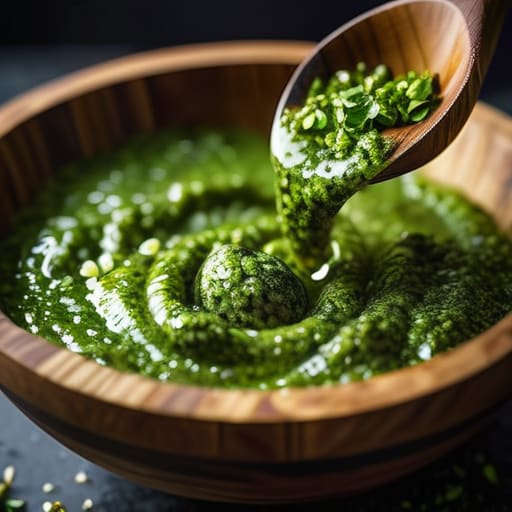
If you’re looking for the best oils for pesto, don’t just reach for whatever sits in the back of your pantry. The oil isn’t just a lubricant; it’s the soul of the sauce. I always lean toward a high-quality, cold-pressed extra virgin olive oil. You want something with a bit of character—maybe a peppery finish or a buttery undertone—that can stand up to the punchy garlic and bright basil. If the oil is too heavy or low-grade, it’ll just coat your tongue in grease rather than elevating the aromatics.
The magic happens when you start emulsifying fresh sauces by slowly drizzling that liquid gold into your processor or mortar. This step is crucial for achieving that silky, luxurious mouthfeel we all crave. If you use an oil that’s too thin or lacks depth, you’ll struggle with the overall pesto texture and consistency, ending up with something that’s either too watery or unpleasantly oily. Aim for a medium-bodied oil that binds the herbs and cheese into a cohesive, vibrant masterpiece.
Pro Secrets for Pesto That Actually Blow Minds
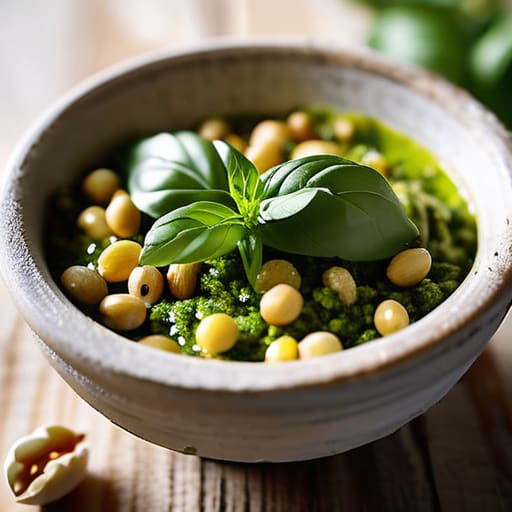
- Stop using the food processor for everything. If you have a mortar and pestle, use it. The crushing action releases oils that blades just chop, giving you a texture that’s silky rather than grainy.
- Keep your basil cold. Basil is a drama queen; it bruises and turns black the second it hits heat or air. Keep your leaves in the fridge until the very moment you’re ready to smash them.
- Don’t skimp on the salt. Pesto needs a serious hit of seasoning to make those bright herbal notes pop. If it tastes “flat,” it’s probably just crying out for a pinch more sea salt.
- Control the oxidation. If you aren’t serving the pesto immediately, pour a thin layer of olive oil over the top of the jar. It creates a seal that keeps the air out and prevents that unappetizing brown tint.
- Balance your garlic. We all love garlic, but too much will absolutely bully the basil. Start with one small clove and taste as you go—you want a whisper of garlic, not a punch to the face.
The Pesto Cheat Sheet
Don’t skimp on the basil; if it isn’t vibrant, fragrant, and fresh, your pesto will taste like nothing.
Your choice of oil is your secret weapon—use a high-quality extra virgin olive oil to carry the heavy lifting of the flavor.
It’s all about the balance between the richness of the nuts, the saltiness of the cheese, and the brightness of the herbs.
The Soul of the Sauce
“Making pesto isn’t about following a rigid recipe; it’s about listening to the ingredients. It’s that moment when the sharp bite of garlic finally softens into the creamy, fragrant embrace of basil and oil—that’s when you know you’ve stopped cooking and started creating.”
Writer
The Final Toss
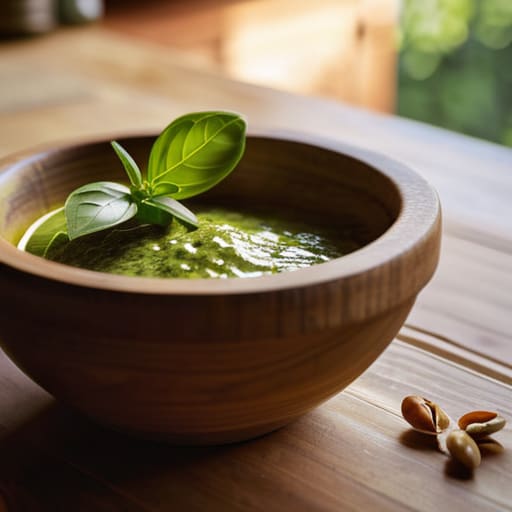
At the end of the day, making pesto isn’t about following a rigid, scientific formula; it’s about understanding how your ingredients dance together. We’ve covered the heavy hitters—from the importance of sourcing that vibrant, peppery basil to the way a high-quality olive oil can completely transform the mouthfeel of your sauce. Whether you’re sticking to the traditionalist route with a mortar and pestle or leaning into the speed of a food processor, the goal remains the same: balance. Don’t be afraid to tweak the ratios, swap in some walnuts if pine nuts are pricey, or add an extra squeeze of lemon to cut through the richness. It’s all about trusting your palate and letting the fresh components lead the way.
Now, stop reading and get into the kitchen. There is something genuinely soulful about taking raw, earthy ingredients and turning them into something so bright and transformative. Pesto is more than just a pasta sauce; it’s a celebration of seasonality and the simple joy of real food. So, grab your blender, find your favorite bowl, and start creating. Once you taste the difference between a store-bought jar and something you’ve whipped up from scratch, you’ll never look back. Happy cooking!
Frequently Asked Questions
Can I make pesto if I can't find fresh basil at my local grocery store?
Look, I’ll be real with you: if you can’t find fresh basil, your pesto is going to take a hit. It’s the soul of the sauce. But if you’re staring at empty shelves, don’t panic. You can pivot to baby spinach or even arugula for a peppery kick, or go the frozen route if your market carries pre-picked leaves. It won’t be the same “gold standard,” but it’ll still save your dinner.
Is it better to use a food processor or stick to the old-school mortar and pestle?
Look, if you’re asking me, it’s a trade-off between soul and sanity. The mortar and pestle is pure magic—it bruises the basil rather than slicing it, releasing those deep, aromatic oils that a blade just can’t touch. It’s textured, rustic, and honestly, a bit of a ritual. But let’s be real: if you’re feeding a crowd or just don’t want to spend twenty minutes grinding, the food processor is your best friend.
How do I keep my pesto from turning that unappetizing shade of brown in the fridge?
Nothing kills the vibe of a fresh batch faster than that muddy, oxidized brown color. To keep it vibrant, try the “oil seal” trick: pour your pesto into a jar and flatten the top with a spoon, then pour a thin layer of extra virgin olive oil over it to create an airtight barrier. If you’re feeling extra proactive, a quick squeeze of lemon juice helps, too—the acidity fights off that dreaded browning.