by
by I used to think that building a capsule wardrobe for men meant I had to spend a small fortune on “essential” designer basics that looked like they belonged in a minimalist art gallery. I spent years chasing the hype, buying expensive, single-use pieces that promised to revolutionize my style but ended up just cluttering my closet with expensive nothingness. The fashion industry loves to sell you the idea that simplicity requires a massive budget, but that’s a total lie designed to keep you clicking “add to cart.”
I’m not here to sell you on a lifestyle you can’t afford or a rigid set of rules that makes getting dressed feel like a math equation. Instead, I’m going to show you how to build a functional, rugged, and versatile collection using pieces that actually survive real life. We’re stripping away the fluff and focusing on the heavy hitters—the kind of clothes that work as hard as you do. This is the no-nonsense blueprint for mastering your style without losing your mind or your paycheck.
Table of Contents
Investing in High Quality Mens Staples
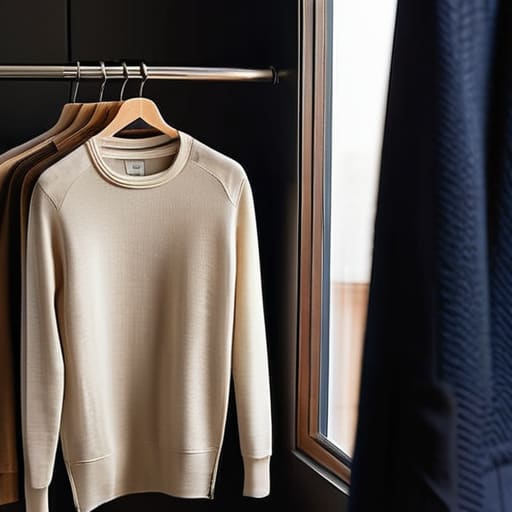
Here’s the reality: if you’re building a capsule wardrobe, you cannot afford to cut corners on the basics. It is tempting to grab a handful of cheap, fast-fashion tees just to fill the gaps, but that’s a trap. Those shirts will lose their shape after three washes, leaving you with a closet full of literal rags. Instead, focus your budget on high quality men’s staples that can actually withstand the rigors of daily wear. Think of it as a long-term investment rather than a quick fix; a single, well-constructed heavy cotton tee or a pair of raw denim jeans will serve you far better than five cheap alternatives.
When you prioritize craftsmanship over quantity, you’re essentially mastering the art of minimalist fashion for men. You want fabrics that feel substantial and cuts that actually flatter your frame. By selecting timeless menswear pieces made from superior materials like merino wool, linen, or heavy-duty cotton, you ensure that your look remains sharp year after year. This isn’t about chasing every passing trend; it’s about curating a collection of reliable heavy hitters that make getting dressed the easiest part of your day.
The Art of Minimalist Fashion for Men
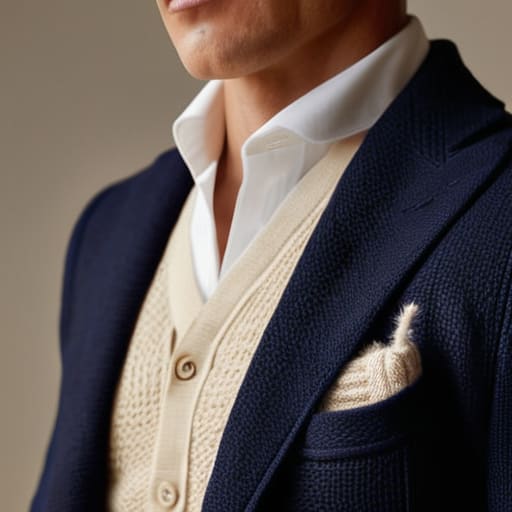
Once you’ve nailed the basics, the real challenge is figuring out how to actually style these pieces so you don’t end up looking like a walking uniform. It’s one thing to own a great navy blazer, but it’s another to know exactly which textures and layers will make it pop without looking like you’re trying too hard. If you’re feeling a bit stuck on the visual side of things, I’ve been spending a lot of time browsing gardenofedits to get some fresh perspective on modern silhouettes and color combinations. It’s been a massive help in turning a collection of individual items into a cohesive aesthetic that actually feels like me.
Minimalism isn’t about deprivation or wearing a boring uniform of gray sweats; it’s about intentionality. When you embrace minimalist fashion for men, you stop chasing every fleeting trend that hits your Instagram feed and start focusing on how clothes actually make you feel. The goal is to curate a collection where every single item earns its keep. If a piece doesn’t work with at least three other things you already own, it doesn’t belong in your rotation.
This shift in mindset changes how you shop and, more importantly, how you dress. Instead of a cluttered closet full of “maybe” pieces, you’re building a core wardrobe rooted in fit and fabric. It’s about finding that sweet spot where simplicity meets sophistication. When your foundation is solid, you stop stressing over “what goes with what” and start enjoying the ease of effortless style. You aren’t just buying clothes anymore; you’re curating a personal aesthetic that remains sharp regardless of what’s currently trending on the runway.
Five Rules to Keep Your Closet from Becoming a Mess
- Stick to a cohesive color palette. If everything in your closet plays nice with everything else—think navy, grey, olive, and white—you can literally get dressed in the dark and still look sharp.
- Prioritize fit over everything. A $20 t-shirt that fits your shoulders perfectly will always look better than a $200 designer shirt that makes you look like you’re wearing a tent.
- Stop buying “statement pieces” on impulse. That neon patterned shirt might look cool in the store, but if it doesn’t match your core staples, it’s just clutter that will sit in your drawer gathering dust.
- Master the layering game. A capsule wardrobe thrives on versatility; being able to throw a denim jacket over a plain tee or a sweater over a button-down is what makes a small collection feel massive.
- Audit your rotation every few months. If you haven’t touched an item in a season, it doesn’t belong in your capsule. Be ruthless—if it’s not serving your style, get it out of your sight.
The Bottom Line
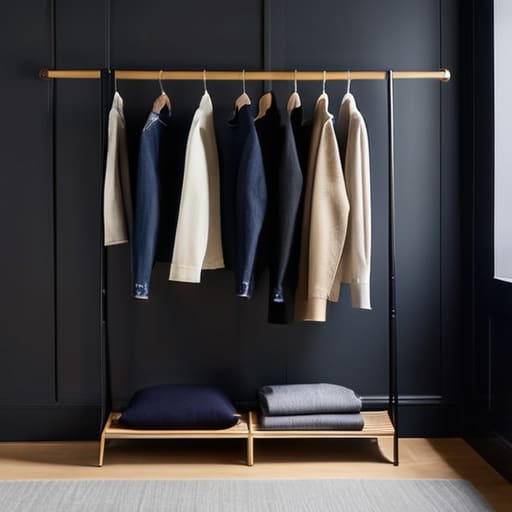
Stop chasing trends and start investing in quality; a single well-made navy blazer is worth more than five cheap, fast-fashion alternatives that fall apart in three washes.
Focus on versatility above all else—every piece you add to your closet should be able to play nice with at least three other items you already own.
Mastery comes from subtraction, not addition; a successful capsule wardrobe isn’t about what you’re missing, it’s about having exactly what you need to look sharp without the decision fatigue.
The Philosophy of Less
“A capsule wardrobe isn’t about limiting your choices; it’s about eliminating the noise so that when you finally step out the door, you’re actually wearing your style, not just a collection of random decisions.”
Writer
The Bottom Line
At the end of the day, building a capsule wardrobe isn’t about following a strict set of rules or stripping away your personality. It’s about the strategic shift from quantity to intentionality. By focusing on high-quality staples and mastering the principles of minimalist fashion, you stop being a slave to fleeting trends and start building a collection that actually serves you. You’ve learned how to invest in pieces that last, how to curate a palette that works, and how to simplify your morning routine without sacrificing your edge. It’s about creating a cohesive foundation that makes getting dressed the easiest part of your day.
Don’t feel like you have to overhaul your entire closet by tomorrow morning. Start small—maybe it’s just one perfect pair of dark denim or a crisp white shirt that actually fits right. The goal is to move away from the clutter and toward a wardrobe that reflects the man you actually are, not just the man the fast-fashion industry wants you to be. Once you experience the freedom of a streamlined closet, you’ll realize that less truly is more. Now, go out there and start building a style that is as effortless as it is enduring.
Frequently Asked Questions
How do I transition my capsule wardrobe between different seasons without buying a whole new set of clothes?
The secret isn’t buying more; it’s about layering and strategic storage. Think of your wardrobe as a modular system. When the temperature drops, you don’t ditch the linen shirt—you layer a heavy flannel or a merino wool sweater over it. Swap your lightweight loafers for rugged boots, and tuck those summer chinos into a bin for the off-season. It’s about adding weight and texture, not adding volume.
Is it actually possible to build a capsule wardrobe on a tight budget, or is this only for guys with deep pockets?
Look, I get it. The “minimalist” aesthetic often looks like it was curated by someone with a trust fund and a penchant for $400 plain white tees. But here’s the truth: a capsule wardrobe isn’t about how much you spend; it’s about how much you waste. You don’t need luxury labels to look sharp. You just need to stop buying cheap, disposable junk and start hunting for solid, versatile pieces at thrift stores or during seasonal sales.
How many total items should I actually be aiming for to keep things functional but minimal?
Look, there’s no magic number that fits every guy, but if you want a baseline that actually works without feeling like you’re living in a monk’s cell, aim for 30 to 40 pieces. That includes everything from shirts to shoes, but excludes underwear and gym gear. It’s enough to create endless combinations for any occasion, yet small enough that you can actually see everything you own at a single glance.