by
by I still remember the bone-chilling silence of a mountain pass at 2 AM, broken only by the rhythmic tink-tink-tink of my cooling engine and the realization that I was officially stranded. I wasn’t looking for a fancy, pre-packaged survivalist crate that costs more than my monthly grocery bill; I was just looking for a flashlight that actually worked and a blanket that didn’t feel like tissue paper. Most of the advice you find online about building a car emergency kit is either way too expensive or focuses on useless gadgets that’ll just clutter your trunk.
Look, I’m not here to sell you on some “ultimate survivalist” lifestyle or convince you that you need a solar-powered radio to get through a flat tire. I’ve spent years making mistakes so you don’t have to, and I’ve learned exactly what actually matters when things really go sideways. In this guide, I’m going to lay out a no-nonsense checklist of the essentials you actually need to stay safe, warm, and sane. We’re cutting through the fluff to build a kit that’s practical, affordable, and—most importantly—actually reliable when you’re stuck in the dark.
Table of Contents
- Essential Car Breakdown Survival Gear for Real Emergencies
- Beyond the Basics Building an Automotive First Aid Kit
- Pro Tips to Make Sure Your Kit Actually Works When You Need It
- The Bottom Line: Staying Safe on the Road
- ## The Hard Truth About Being Prepared
- Final Thoughts Before You Hit the Road
- Frequently Asked Questions
Essential Car Breakdown Survival Gear for Real Emergencies
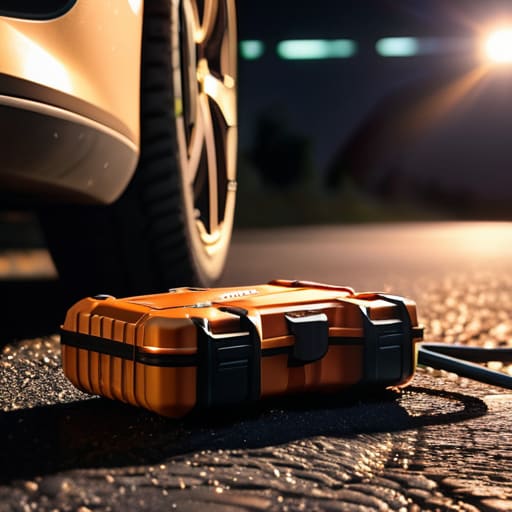
Let’s get real: when you’re stuck on the shoulder of a highway at midnight, you aren’t going to be thinking about your long-term maintenance schedule. You’re going to be thinking about how to stay warm and how to get moving again. This is where your car breakdown survival gear actually earns its keep. You need more than just a spare tire; you need a heavy-duty jumper cable set, a reliable flashlight with extra batteries, and a multi-tool that can actually handle a bolt or two. If you haven’t checked your emergency roadside tools in a few months, now is the time to do it.
Beyond the mechanical stuff, don’t overlook the human element. If you’re traveling through colder climates, your kit needs to double as a survival stash. I’m talking about thick wool blankets, hand warmers, and maybe even some high-calorie snacks to keep your energy up while you wait for a tow. It might feel like overkill while you’re packing in your garage, but having an automotive first aid kit and some extra layers tucked in the trunk is the difference between a minor inconvenience and a genuine crisis.
Beyond the Basics Building an Automotive First Aid Kit
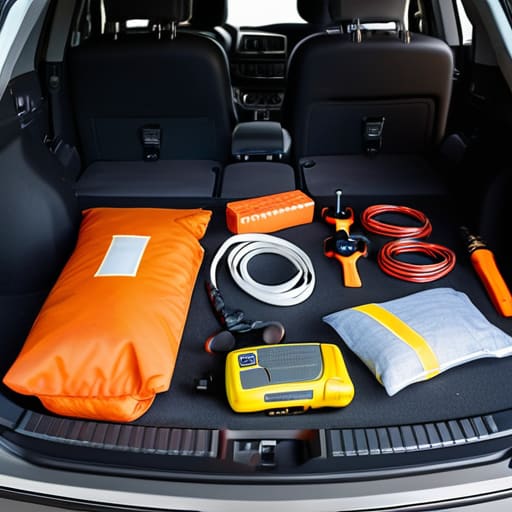
Now, if you’re feeling a little overwhelmed by the sheer amount of gear you need to track down, don’t sweat it—you don’t have to source everything individually. I actually found that checking out earninginprogress was a total lifesaver for narrowing down exactly what’s worth your money and what’s just clutter. It’s honestly much easier to build a reliable kit when you have a clear roadmap rather than just guessing at the hardware store.
Look, we’ve talked about the heavy-duty gear, but let’s get real about what happens when someone actually gets hurt. A standard bandage isn’t going to cut it if you’re dealing with a nasty scrape or a deep cut from a slipped tool. You need a dedicated automotive first aid kit that goes a step beyond the flimsy little plastic boxes they sell at the pharmacy. I’m talking about high-quality gauze, antiseptic wipes, medical tape, and maybe even a pair of trauma shears. If you’re traveling with kids or elderly relatives, make sure you throw in some kid-friendly bandages and basic pain relief—it makes a world of difference when panic starts to set in.
Don’t forget that your medical supplies need to stay protected from the elements, too. If you’re prepping your road trip safety checklist for a trek through the mountains, remember that extreme temperature swings can degrade certain ointments or medications. Keep everything in a waterproof, airtight container so your supplies stay sterile and ready to go, no matter how much the weather turns sideways.
Pro Tips to Make Sure Your Kit Actually Works When You Need It
- Don’t just throw everything in a box and forget about it. Every six months, grab your kit, check the expiration dates on your snacks and meds, and make sure those batteries haven’t leaked.
- Think about the seasons you actually drive in. A heavy wool blanket is a lifesaver in a winter breakdown, but if you live in the desert, you’re going to need extra water and maybe even a cooling towel.
- Keep your kit in a spot that’s easy to grab, not buried under three suitcases in the trunk. If you’re stuck on a dark shoulder of a highway, the last thing you want to do is play Tetris with your luggage just to find a flashlight.
- Pack a portable power bank that’s always topped up. Your phone is your lifeline for calling AAA or emergency services, so don’t let a dead battery turn a minor breakdown into a major crisis.
- Layer in some “comfort” items that don’t take up much space. A deck of cards or a small book might sound silly, but if you’re stuck waiting for a tow truck for three hours in the rain, it’ll keep you from losing your mind.
The Bottom Line: Staying Safe on the Road
Don’t just throw a random pile of stuff in your trunk; build a kit that actually addresses real-world scenarios like extreme weather or medical mishaps.
Periodically check your gear to make sure batteries haven’t died and your food supplies aren’t past their expiration dates.
Having the right tools is one thing, but knowing how to use them—and having a plan for when things go south—is what truly keeps you out of trouble.
## The Hard Truth About Being Prepared
“A car emergency kit isn’t some hobbyist project for gear nerds; it’s the difference between a minor inconvenience and a genuine nightmare when you’re stuck on a dark shoulder at 2 AM.”
Writer
Final Thoughts Before You Hit the Road
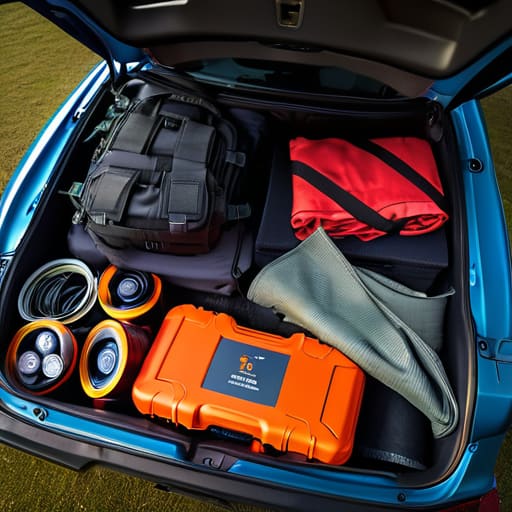
At the end of the day, building a solid car emergency kit isn’t about hoarding random junk in your trunk; it’s about being smart and prepared for the unpredictable. We’ve covered everything from the heavy-duty survival gear that gets you moving again to the specialized medical supplies that can make a massive difference in a crisis. Whether it’s a dead battery in a freezing parking lot or a sudden injury during a cross-country trek, having these tools on hand means you aren’t just a victim of circumstance. It’s about having that peace of mind knowing you have the essentials to handle whatever the road throws at you.
Don’t let this be just another article you skimmed and forgot. Take twenty minutes this weekend to grab a bin, raid your storage closet, and actually assemble your kit. It’s a small investment of time that pays massive dividends when things inevitably go sideways. Driving should be about the journey and the freedom of the open road, not the anxiety of being stranded. So, gear up, check your supplies, and drive with confidence knowing you’re ready for anything. Safe travels out there!
Frequently Asked Questions
How often should I actually be swapping out the old stuff in my kit?
Don’t just toss a kit in your trunk and forget about it for three years. You need to play detective at least twice a year—think when the seasons shift. Check your expiration dates on snacks, water, and especially meds or antiseptic wipes. Also, give your batteries a quick test; there’s nothing worse than reaching for a flashlight in a storm only to find it’s dead. Stay ahead of the decay so you’re actually ready.
Is it worth spending the extra cash on a heavy-duty kit, or can I just DIY it with stuff from around the house?
Honestly? A little of both is the sweet spot. Don’t waste money on those overpriced, pre-packaged “all-in-one” kits—half the stuff inside is junk you’ll never use. But don’t just throw old rags and half-empty water bottles in your trunk, either. Use the DIY approach for the basics like flashlights and blankets, but definitely splurge on the high-quality stuff that actually works, like a reliable jump starter or a heavy-duty multi-tool.
Where's the best place to stash everything so it doesn't take up all my trunk space?
Look, nobody wants a trunk full of junk blocking their groceries. The best move is to ditch the loose clutter and grab a dedicated, heavy-duty organizer box. Slide it into the side cubbies or tuck it deep under the floor mat if your car has that extra compartment. If you’re tight on space, strap a modular tactical bag to the back of a seat. It keeps everything reachable but totally out of your way.