
 by
by I still remember the sheer panic of seeing my Lab, Cooper, sprawled out on the kitchen tiles, tongue lolling out and eyes looking completely glazed over during that freak July heatwave. I had spent a ridiculous amount of money on those fancy, high-tech “cooling mats” that promised the world, only to find him ignoring them entirely in favor of a literal puddle of spilled water. It’s incredibly frustrating how much marketing fluff is out there regarding dog cooling methods, pushing expensive gadgets that often do absolutely nothing when your pup is actually struggling with the heat.
Look, I’m not here to sell you on some overpriced, silicon-based miracle product that’s just going to end up in your junk drawer. I’ve spent years testing what actually works—from the low-tech hacks that cost zero dollars to the specific lifestyle tweaks that make a massive difference. I’m going to lay out the most effective, battle-tested dog cooling methods that I know for a fact will keep your best friend safe and comfortable when the temperature spikes. No hype, no nonsense, just real-world solutions that actually work.
Table of Contents
Proactive Cooling Mats for Dogs and Hydration Tips for Pets in Heat
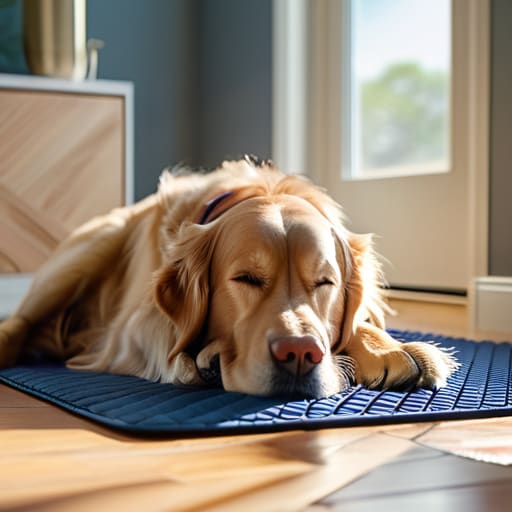
If you’re looking for a way to give your dog some instant relief without constant supervision, investing in some high-quality cooling mats for dogs is a total game-changer. These aren’t just cheap gel pads that flatten out after a week; look for the pressure-activated ones that stay chilled just by your pup laying on them. They work by absorbing your dog’s body heat, providing a much-needed sanctuary when the living room feels like a sauna. It’s one of the easiest ways to assist with preventing overheating in pets while you’re busy working or running errands.
Of course, no mat can replace the importance of keeping that water bowl overflowing. When the mercury rises, your dog’s thirst levels spike, so don’t just rely on a single ceramic bowl. Try scattering multiple water stations around the house or even adding a few ice cubes to their bowl to keep things refreshing. If you want to get fancy, some hydration tips for pets in heat include adding a splash of low-sodium bone broth to their water to encourage more frequent drinking. Keeping them hydrated is your first line of defense against the scary signs of canine heatstroke.
Smart Strategies for Preventing Overheating in Pets
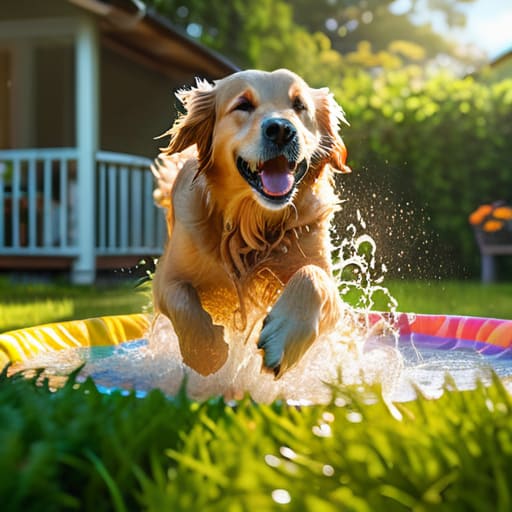
Beyond just reacting when things get too hot, the real secret is staying one step ahead of the thermometer. One of the most effective ways of preventing overheating in pets is to rethink your daily routine entirely. Instead of those long, mid-afternoon treks that leave everyone exhausted, try shifting your walks to the early morning or late evening when the pavement isn’t acting like a frying pan. If you’re planning any outdoor fun, stick to the best summer activities for dogs that involve shade and water, like a gentle splash in a kiddie pool rather than a marathon run through the sun.
Beyond just the basics like water and shade, I’ve found that sometimes you need a little extra help when the humidity starts hitting that unbearable level. If you’re looking to upgrade your setup, checking out some of the gear over at aeronautike can be a total game-changer for keeping your space comfortable. It’s those small, thoughtful adjustments to your home environment that really make the difference in keeping your dog from feeling restless when the sun is beating down.
You also need to be a bit of a detective regarding your dog’s behavior. It’s easy to miss the subtle shifts, but knowing the early signs of canine heatstroke—like excessive lethargy or a sudden refusal to move—can literally be a lifesaver. If you notice them acting even slightly “off,” don’t wait for them to start panting uncontrollably. Taking proactive steps, like moving them to a tiled floor or offering a damp towel, is much better than trying to figure out how to cool down a hot dog once they’ve already hit a breaking point.
Quick Fixes to Cool Down a Warm Pup
- Grab a damp towel and wipe down their belly and paws—it’s like an instant cooling reset for their whole body.
- Ice cubes are your best friend; toss a few into their water bowl to keep things refreshing and encourage them to keep drinking.
- If you’re heading out for a quick stroll, stick to the shady side of the street and keep it short to avoid those hot pavement burns.
- Set up a portable fan or a dedicated cooling station in their favorite corner so they have a constant breeze to lean into.
- Don’t be afraid to use a cooling vest if you’re planning a hike; it’s a total game-changer for keeping their core temp steady.
Quick Recap: Keeping Your Pup Cool
Don’t wait for them to start panting heavily; stay ahead of the heat by using cooling mats and keeping water bowls overflowing.
Watch the clock and the thermometer—the best way to prevent heatstroke is to skip those midday walks and stick to the early morning or late evening hours.
Always keep a close eye on your dog’s behavior, because if they seem lethargic or unusually tired, it’s time to get them into some shade and cool them down immediately.
## A Final Word on Summer Safety
“At the end of the day, you aren’t just managing a temperature; you’re reading your dog’s body language. If they seem sluggish or their breathing gets heavy, stop whatever you’re doing and cool them down—because by the time they look truly distressed, you’re already playing catch-up.”
Writer
Keeping the Cool Vibes Going
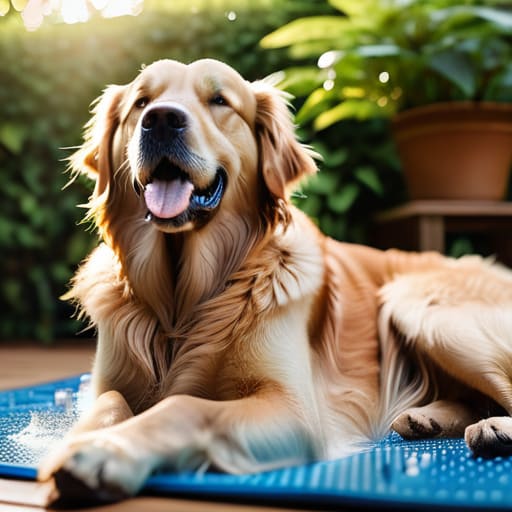
At the end of the day, keeping your dog safe in the summer isn’t about one single magic trick; it’s about layering these different methods to create a safety net. From making sure those cooling mats are always accessible to being hyper-aware of the midday sun, it all comes down to being proactive rather than reactive. Whether you’re doubling down on hydration or just timing your walks for the early morning chill, these small adjustments make a massive difference in how your pup experiences the season. Remember, if you see them starting to lag or pant excessively, it’s time to pivot immediately and get them into the shade.
Summer should be about backyard BBQs and easy strolls, not worrying if your best friend is suffering in silence. Your dog relies entirely on you to read their cues and interpret the heat, so trust your gut and stay vigilant. When you take the time to implement these cooling hacks, you aren’t just preventing heatstroke—you’re ensuring that every sunny afternoon is filled with happy tails and plenty of energy. So, grab the ice cubes, find the shady spots, and let’s make this a summer that’s as comfortable as it is fun for both of you.
Frequently Asked Questions
Is it actually safe to use ice cubes in my dog's water bowl, or can that shock their system?
It’s actually totally fine! Dropping a few ice cubes into your dog’s water bowl is a great way to keep things refreshing when the thermometer climbs. It won’t shock their system or cause any harm. Just make sure you aren’t giving them massive chunks of ice to chew on, as that can be a choking hazard or a tooth risk. Think of it more like a refreshing chill for their drink rather than a temperature shock.
How can I tell if my dog is actually suffering from heatstroke versus just being a little warm?
It’s a fine line, but timing is everything. If your dog is just panting a bit more than usual or looking a little sleepy, they’re likely just warm. But if that panting turns into heavy, frantic gasping—or if you notice bright red gums, vomiting, or even stumbling like they’re drunk—that’s a massive red flag. If they seem disoriented or lethargic despite being in the shade, stop reading this and call your vet immediately.
Are those cooling vests worth the money, or am I better off just using a damp towel?
Honestly, it depends on how much of a beast you’re tackling. A damp towel is a great quick fix for a quick walk, but it dries out in minutes and can actually trap heat if it gets warm. If you’re planning a long hike or a summer outing, those cooling vests are totally worth the investment. They stay chilled way longer and give you much better peace of mind when you’re out exploring.


