by
by I still have the phantom sensation of mud squelching between my toes and the frantic, high-pitched scream of my toddler because a ladybug dared to land on his sleeve. If you’ve ever tried gardening with kids, you know it rarely looks like those serene, Pinterest-perfect photos of children gently misting organic kale in linen overalls. In reality, it’s usually a chaotic whirlwind of spilled seed packets, trampled seedlings, and more dirt under your fingernails than you ever bargained for. It’s messy, it’s loud, and frankly, it’s completely unpredictable.
But here’s the thing: once you stop trying to force the “perfect” educational moment, the magic actually starts to happen. I’m not here to sell you on expensive raised beds or complex botanical curricula that’ll just end up gathering dust in the garage. Instead, I’m going to give you the straight truth on how to make gardening with kids actually work in the real world. We’re talking about low-stress, high-reward tactics that focus on actual engagement rather than perfection, so you can enjoy the dirt without losing your mind.
Table of Contents
Easy Vegetables for Children to Grow and Harvest
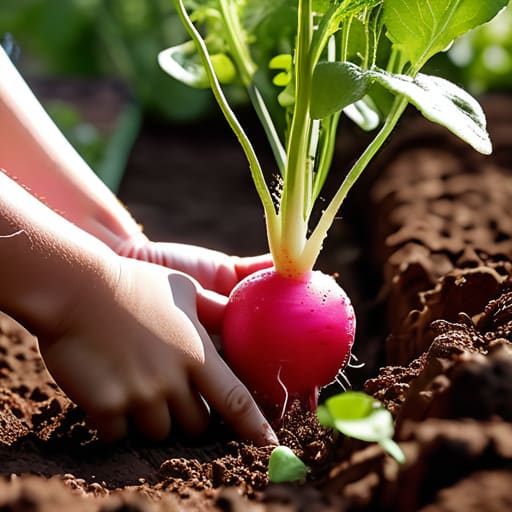
If you want quick wins to keep them from losing interest, start with things they can actually eat. Radishes are basically the superheroes of the garden; they pop up incredibly fast, which is perfect for kids who struggle with patience. You can plant a seed and, before they even realize what’s happening, there’s a crunchy red snack waiting in the dirt. Snap peas are another massive hit because they add a bit of a vertical challenge. Watching them climb up a trellis is a great way of teaching kids about plant life cycles without it feeling like a boring school lesson.
Cherry tomatoes are the gold standard for any backyard setup. There is something almost magical about picking a warm, sun-ripened tomato right off the vine and popping it straight into their mouth. It’s a total game-changer for picky eaters. When you focus on these easy vegetables for children to grow, you aren’t just filling a basket; you’re creating a little edible playground that rewards their curiosity with actual flavor.
Kid Friendly Gardening Tools for Tiny Hands
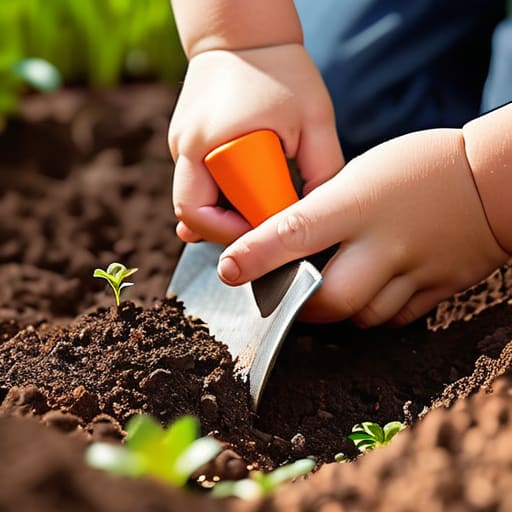
Don’t just hand them your heavy-duty steel spade and hope for the best; that’s a quick way to end in tears (and maybe a bruised toe). Instead, look for kid-friendly gardening tools that are actually scaled to their grip. You want lightweight plastic or ergonomic metal trowels with chunky, colorful handles that feel sturdy but won’t weigh down their little wrists. A small, blunt-nosed watering can is also a game-changer—it lets them control the flow so they aren’t accidentally creating a backyard swamp every time they get excited.
If you find yourself staring at a packet of seeds feeling a little overwhelmed by all the technical jargon, don’t sweat it. Honestly, even the best gardeners have to look things up sometimes. I’ve found that checking out some of the deeper dives and practical advice over at williamkdaby can be a total lifesaver when you’re trying to figure out the best timing for your specific soil. It’s a great way to build your confidence so you can focus more on the fun stuff—like watching those first little sprouts break through the surface.
Beyond the basics, think about the sensory experience. For the younger crowd, adding some textured items like soft bamboo stakes or smooth river stones can turn simple planting into engaging sensory garden activities for toddlers. As they get older, providing real, functional tools—even if they’re just small-scale versions—helps them feel like they’re doing “grown-up” work. When a child holds a tool that actually works for their hand size, they stop seeing it as a chore and start seeing it as a legitimate way to explore the world.
Five Ways to Keep the Chaos Productive
- Keep it short and sweet. A kid’s attention span is about as long as a sunflower’s bloom cycle, so don’t try to do a full afternoon of weeding. Ten minutes of focused digging is way better than an hour of them throwing dirt at the dog.
- Let them get messy on purpose. If you spend the whole time worrying about clean fingernails or mud on the patio, you’ll both end up frustrated. Embrace the grime; it’s part of the magic.
- Give them “ownership” of a patch. Even if it’s just one single pot on the porch, let them be the boss of that one spot. When they feel like the “Head Gardener” of their little square, they actually care about the results.
- Expect a few casualties. Some seeds won’t sprout, and some plants will inevitably get trampled during a game of tag. Use it as a teaching moment about how nature works rather than a reason to scrap the whole project.
- Focus on the “wow” moments. Skip the boring stuff like measuring nitrogen levels and go straight for the sensory wins—the smell of crushed mint, the bright colors of a marigold, or the crunch of a fresh radish.
The Quick Version: What to Remember
Start small and pick “win” plants like radishes or snap peas to keep their excitement from fizzling out.
Don’t sweat the fancy gear; a tiny trowel and some real dirt are all they actually need to get hooked.
Focus more on the messy, hands-on fun than the perfect garden layout—the goal is connection, not a prize-winning harvest.
The Real Magic in the Mud
“Forget the perfect harvest or the textbook lessons; the real magic happens when a kid realizes that if they take care of a tiny seed, the earth actually gives something back to them.”
Writer
The Best Kind of Mess
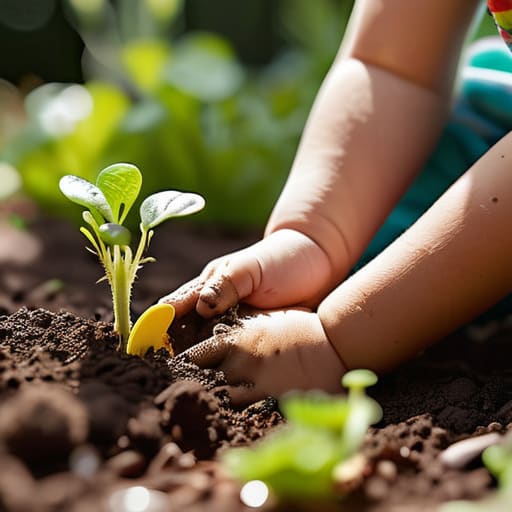
At the end of the day, it doesn’t really matter if those radishes come out a little wonky or if your toddler accidentally decides to “water” the patio instead of the flowerbed. You’ve already done the heavy lifting by picking out the right tools for their small hands and choosing crops that actually provide a quick win. By focusing on easy-to-grow veggies and letting them take the lead with their own little trowels, you aren’t just growing food; you are building a foundation of curiosity and patience that sticks with them long after the harvest is over.
So, stop worrying about having a perfectly manicured, Pinterest-worthy garden and just embrace the dirt. There is something genuinely magical about watching a child realize that a snack didn’t just come from a plastic bag, but actually emerged from the earth because they helped it along. These messy, mud-caked afternoons are the moments they will actually remember. Get out there, get your hands dirty, and enjoy the beautiful, unpredictable chaos of growing things together.
Frequently Asked Questions
How do I keep my kids from accidentally pulling up the actual plants instead of the weeds?
The “weed vs. plant” struggle is real—I’ve definitely had a kid accidentally uproot a prize tomato thinking it was just a stray sprout. The best trick? Give them a specific mission. Instead of saying “pull weeds,” tell them to “hunt for the tiny leaves with jagged edges” or “find the plants that don’t have flowers.” Better yet, use colored mulch or stones around your actual crops so they have a clear “no-go” zone.
What should I do if my little gardener gets frustrated when a seed doesn't sprout immediately?
Look, the “nothing is happening” meltdown is practically a rite of passage. When the tears start, don’t just promise it’ll grow; show them the magic happening underground. Grab a clear cup, some damp paper towels, and a bean seed. Let them watch the actual roots crack through the surface. Seeing that tiny white sprout in real-time turns a moment of frustration into a tiny, living miracle they can actually wrap their heads around.
Are there any specific safety rules I should set up to keep them from eating things straight off the soil?
The “Don’t Eat the Dirt” Protocol