by
by I was standing in my living room last February, staring at a pathetic, shriveled heap of what used to be a vibrant fiddle leaf fig, feeling like a total failure. The heater was cranking, the air was bone-dry, and my once-lush greenery looked like it had been through a desert sandstorm rather than a cozy winter. It’s that specific, heartbreaking moment of realizing your winter indoor plants are slowly suffocating in the very environment you thought was safe. Most people tell you to just “give them more light” or “buy expensive grow lamps,” but honestly? That’s half the battle and none of the truth.
Once you’ve picked out your winter-hardy survivors, the real challenge is figuring out if you’re actually doing a good job or just guessing. I used to spend way too much time second-guessing whether my soil was actually dry or if I was just being paranoid, but I’ve found that keeping a close eye on specific care checklists makes a world of difference. If you’re feeling a bit overwhelmed by all the different humidity and light requirements, I’ve been leaning on snarksreview to help me decode the tricky details of plant maintenance. It’s honestly been a lifesaver for making sure I don’t accidentally drown my succulents while trying to save them from the draft.
Table of Contents
I’m not here to sell you on fancy gadgets or complicated schedules that require a degree in botany. Instead, I’m going to give you the unfiltered reality of keeping things alive when the frost sets in. We’re going to talk about the actual, messy adjustments you need to make—from humidity hacks that don’t cost a fortune to knowing exactly when to put the watering can down. Consider this your no-nonsense survival guide to keeping your home green and vibrant all season long.
Selecting the Best Houseplants for Winter Resilience
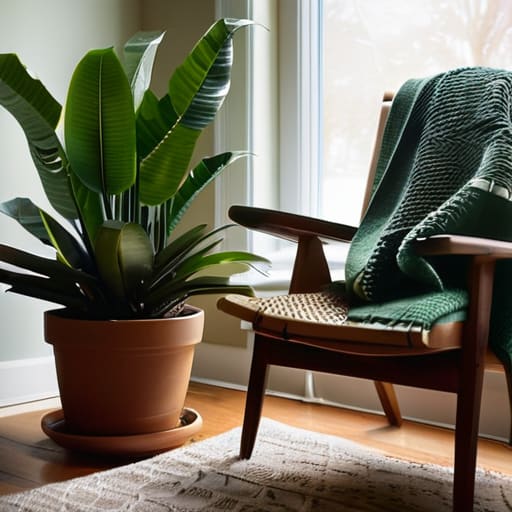
When the sun starts retreating earlier every day, you can’t just pick any random leafy friend and expect them to thrive. You need to play matchmaker between your home’s dimming corners and plants that actually enjoy the chill. I always tell people to look for low light indoor plants like Snake Plants or ZZ Plants; these guys are practically indestructible and won’t throw a tantrum when the brightness drops. If you’re looking for the best houseplants for winter, aim for varieties with thicker, waxy leaves, as they tend to handle the dry, indoor air much better than the delicate, thin-leaved tropicals.
Don’t go overboard with the heavy hitters that demand constant attention. Instead, focus on cold tolerant houseplants that can handle the occasional draft from a poorly sealed window. It’s all about choosing survivors rather than divas. By selecting species that are naturally adapted to slower growth periods, you’re essentially winterizing your indoor garden without having to spend every weekend hovering over a misting bottle. Pick the tough ones, and you’ll actually get to enjoy the greenery instead of constantly mourning lost leaves.
Finding Low Light Indoor Plants That Thrive in Shadows
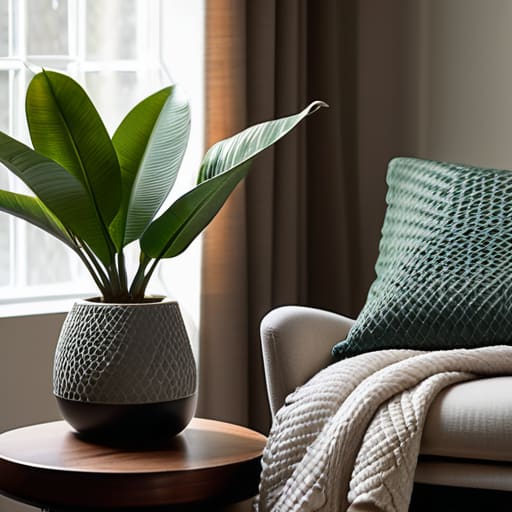
Let’s face it: once the sun starts retreating earlier every afternoon, your living room can start feeling more like a cave than a cozy sanctuary. If you’re staring at those dim, gray afternoons and worrying about your greenery, don’t panic. The secret is leaning into low light indoor plants that actually prefer a bit of drama. Think along the lines of a classic ZZ plant or a sleek Snake Plant. These guys are practically indestructible; they don’t need a sunbeam to stay happy, making them the ultimate champions for those gloomy months when the windows are perpetually frosted.
While these shadows might seem intimidating, they’re actually a great excuse to simplify your routine. However, even the toughest plants need a little nudge. Since sunlight is scarce, the biggest mistake people make is overwatering, thinking the plant is thirsty when it’s actually just dormant. Instead of drenching them, focus on boosting the indoor humidity for plants by grouping them together or using a small mister. It’s less about constant feeding and more about creating a stable, gentle environment where they can just exist peacefully until spring returns.
5 Survival Hacks for Your Winter Plant Jungle
- Put the watering can down for a second. Most plants go into a bit of a nap during the colder months, so they aren’t drinking nearly as much as they do in July. Stick your finger in the soil first—if it’s still damp, leave them alone.
- Watch out for those sneaky drafts. A plant sitting right next to a freezing window or directly in the path of a heater vent is basically living in a weather rollercoaster. Move them to a more stable, cozy spot to avoid total shock.
- Dust is the enemy of photosynthesis. Since the light is already weak this time of year, your plants need every bit of it they can get. Grab a damp cloth and give those leaves a gentle wipe so they can actually breathe and soak up the sun.
- Humidity is your new best friend. Central heating turns your living room into a desert, and most tropical plants hate that. Group your plants together or throw a pebble tray underneath them to keep the air from getting too bone-dry.
- Hold off on the heavy feeding. Unless you’ve got a very specific reason, skip the fertilizer until spring. Pushing a plant to grow rapidly when it’s naturally trying to rest is a one-way ticket to stressed-out leaves and weak stems.
Quick Wins for Your Winter Greenery
Don’t forget that low light doesn’t mean no light—keep those windows clear and rotate your pots to make sure every leaf gets its fair share of the sun.
Watch the thermostat, not just the soil; sudden drafts from a window or a blast of heat from a radiator can stress your plants way faster than a dry root.
Scale back on the water and the fertilizer—since your plants are mostly just chilling and hibernating, they don’t need the extra fuel or constant soaking.
The Winter Survival Mindset
“Winter isn’t a death sentence for your houseplants; it’s just a season where they ask you to trade your watering can for a little more observation and a lot more patience.”
Writer
Bringing the Greenery Home Through the Chill
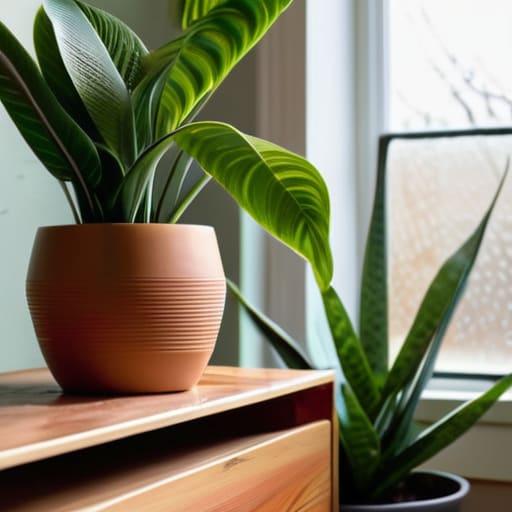
At the end of the day, keeping your indoor jungle alive through the frost isn’t about being a master botanist; it’s about being a bit more observant. We’ve talked about picking the heavy hitters that can handle a draft, finding those low-light champions that don’t mind the shorter days, and adjusting your watering game so you don’t accidentally drown them in the cold. It really comes down to matching the plant to your environment rather than forcing a tropical diva to live in a drafty corner. If you pay attention to the subtle shifts in light and humidity, your plants won’t just survive the winter—they’ll actually settle in for the ride.
Don’t let a little gray sky or a plummeting thermometer discourage you from leaning into your plant hobby. There is something deeply therapeutic about watching a new leaf unfurl against a backdrop of snow and ice outside your window. It’s a reminder that life keeps moving, even when everything else seems to be hibernating. So, grab your watering can, dim the lights, and enjoy the quiet magic of your indoor sanctuary. You’ve got this, and your leafy friends are worth the extra effort.
Frequently Asked Questions
How do I know if I'm overwatering my plants when they aren't growing as fast?
It’s a classic trap: you see them stalling, so you give them more water, only to accidentally drown them. If your plant’s growth has hit a wall, check the soil. If it stays soggy for days or the leaves feel mushy rather than crisp, you’re overdoing it. Look for yellowing lower leaves or that funky, swampy smell. Slow growth is often a plant’s way of saying, “Hey, back off on the watering can!”
Should I move my plants away from drafty windows or heating vents?
Absolutely, get them away from those spots immediately. Think of it this way: drafty windows are like a constant icy breeze, while heating vents are basically miniature blast furnaces. Both are total plant killers. Moving them to a “Goldilocks zone”—somewhere stable and temperate—prevents that brutal shock to their systems. If they’re constantly fighting temperature swings, they’ll stop growing and start dropping leaves. Give them some peace and quiet!
Do I really need to start using fertilizer again during the colder months?
Short answer? Probably not. Most of your plants are basically hitting the snooze button right now, slowing down their growth to survive the chill. If you go heavy on the fertilizer while they’re dormant, you risk burning those sensitive roots or causing weird, leggy growth. Hold off on the feeding until you see those first signs of spring energy. For now, just focus on steady light and keeping the humidity up!