
 by
by I remember sitting on my floor last January, surrounded by expensive, aesthetic throw pillows I’d bought from a high-end catalog, feeling absolutely nothing but cold and uninspired. I had followed every “minimalist chic” guide to the letter, yet my living room felt more like a sterile showroom than a place where I actually wanted to exist. It turns out, achieving a true winter cozy home isn’t about spending a fortune on overpriced linen blends or following some rigid, Pinterest-perfect design rule that ignores how humans actually live.
I’m tired of the polished, unattainable nonsense that makes decorating feel like a chore rather than a comfort. In this guide, I’m stripping away the fluff to share the real-world tactics that actually work when the temperature drops and the days get short. We aren’t chasing perfection here; we are chasing that specific, bone-deep sense of relief that comes from a space that feels lived-in and genuinely warm. I’ll show you how to build a sanctuary using practical, soul-soothing methods that prioritize how you feel over how your house looks on a screen.
Table of Contents
Creating a Hygge Atmosphere Through Curated Comfort
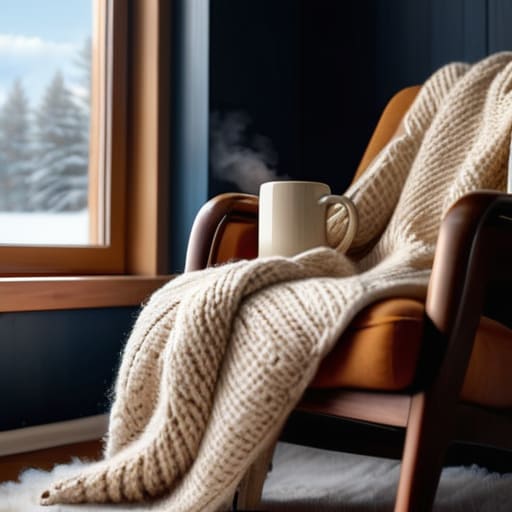
To truly master the art of creating a hygge atmosphere, you have to stop thinking about your home as a showroom and start thinking about it as a sensory experience. It’s not about buying a massive set of matching furniture; it’s about those small, intentional layers that make you want to sink into the sofa and stay there for hours. I’m a huge believer in prioritizing warm textures for winter, like tossing a heavy chunky knit throw over the arm of a chair or swapping out your lightweight linen pillows for something in velvet or faux fur. It’s those tactile shifts that signal to your brain it’s finally time to slow down.
Lighting plays an even bigger role than most people realize. Harsh overhead lights are the enemy of comfort, so I always lean into soft lighting techniques to set the mood. Think dimmers, small table lamps tucked into corners, or even just a cluster of flickering tea lights on the coffee table. When you combine that amber glow with a few well-placed scented candles for winter—something with notes of cedar, amber, or spiced vanilla—the entire energy of the room shifts from functional to purely magical.
Essential Warm Textures for Winter Living
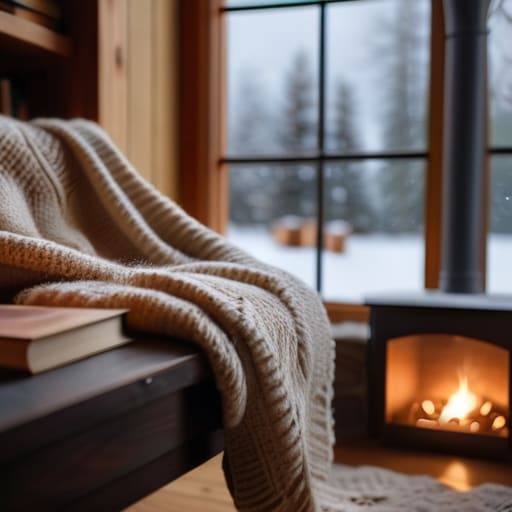
If you want to truly lean into the season, you have to stop thinking about decor as just something you look at and start thinking about how it feels. When the temperature drops, your eyes naturally seek out visual warmth, but it’s the tactile experience that actually settles your nervous system. This is where warm textures for winter become your best friend. I’m talking about swapping out those lightweight linen throws for heavy-knit wool blankets or layering a faux-fur rug over your existing carpet. It’s not about clutter; it’s about building layers that invite you to actually sit down and stay a while.
Don’t underestimate the power of a well-placed velvet pillow to anchor a room. While many people focus on big furniture shifts, some of the best seasonal home decor ideas involve these smaller, sensory updates. Mixing materials—like a chunky boucle cushion against a smooth leather armchair—creates a depth that makes a space feel lived-in rather than just staged. It’s that intentional friction between different fabrics that turns a cold, echoing room into a genuine sanctuary.
Small Tweaks for Big Warmth
- Lean into the “low light” lifestyle by ditching the harsh overheads for amber-toned lamps and a ridiculous amount of candles.
- Scent is everything; think cedarwood, spiced orange, or vanilla to make the air itself feel like a warm hug.
- Don’t overlook the windows—swapping thin summer linens for heavier, velvet-style drapes can actually make a room feel physically warmer.
- Create a dedicated “nook” that isn’t just a chair, but a little ecosystem of books, a soft throw, and a place to rest your tea.
- Bring the outside in, but keep it cozy with dried botanicals or pine branches rather than anything that feels too cold or clinical.
The Winter Sanctuary Cheat Sheet
It’s not about buying everything in a catalog; it’s about layering what you already have—think chunky knits, soft throws, and dim lighting—to build a sense of genuine warmth.
Focus on the sensory details, like the scent of cedar or the glow of a single candle, to turn a cold room into a space that actually feels like a hug.
True coziness comes from intentionality, choosing pieces that invite you to slow down and actually enjoy the stillness of the season.
The Soul of the Season
“A cozy home in winter isn’t about how much decor you buy; it’s about creating a soft place for your soul to land when the world outside turns harsh and grey.”
Writer
Making It Your Own
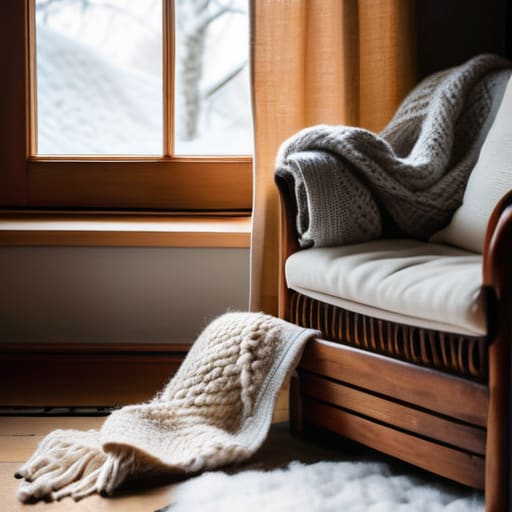
Beyond just the physical layers of blankets and rugs, I’ve found that the real magic happens when you lean into the sensory details that ground you in the moment. It’s about that subtle shift from just “decorating” to actually cultivating a lifestyle of ease. If you’re looking for more inspiration on how to weave these small, intentional rituals into your daily routine, I’ve been spending a lot of time exploring the ideas over at sagelysweet. They have some truly beautiful insights on mindful living that have helped me move past the surface level and really embrace the slow, soulful pace that winter demands.
At the end of the day, building a cozy winter sanctuary isn’t about following a strict set of design rules or buying every expensive candle on the market. It’s about the intentional layering of those soft textures we talked about, the subtle glow of curated lighting, and the way you weave hygge into the very fabric of your daily routine. Whether you are focusing on heavy knit throws or simply adjusting your lighting to create a softer mood, the goal is to transform your house from a mere shelter into a true retreat from the biting cold outside.
Remember that the most important element of a cozy home isn’t something you can find in a catalog; it’s the feeling of peace you cultivate within your own walls. Let your space be a reflection of your need for rest and a celebration of the slower, quieter moments that winter demands of us. So, dim the lights, grab that favorite oversized blanket, and embrace the stillness. Your home shouldn’t just keep you warm—it should make you feel like you are exactly where you are meant to be.
Frequently Asked Questions
How can I make my home feel cozy without spending a fortune on new decor?
Honestly, you don’t need a massive shopping spree to fix the vibe. Start by rearranging what you already own—move those heavy knit throws to the front of the sofa or swap out lightweight summer linen pillows for something chunkier. Lighting is your biggest secret weapon, too; ditch the overheads and lean hard into candles or dim lamps. It’s all about layering what you have to create that sense of warmth.
What are some ways to add warmth to a room that has a lot of cold surfaces like tile or hardwood?
The trick is to break up those hard lines with as much “softness” as possible. If you’re staring at cold tile or hardwood, start with layering rugs—think a plush sheepskin over a flat-weave jute. It kills that chill instantly. Then, bring the warmth up to eye level. Drape a chunky knit throw over a chair or add velvet pillows to your sofa. You’re basically just trying to drown out the hard edges with texture.
Are there specific scents or lighting tricks that actually help change the mood of a space during the darker months?
Lighting is everything. Ditch the overhead “big lights” and lean hard into warm-toned lamps and amber fairy lights to mimic a sunset glow. It instantly softens the room. For scent, skip the artificial stuff. Think grounding: cedarwood, spiced orange, or even a hint of vanilla. It’s about layering those sensory cues so that the moment you walk through the door, your brain finally gets the signal to slow down and exhale.


