
 by
by I used to think I needed a $200 designer diffuser and a cabinet full of “premium” oils just to get a decent night’s sleep, but honestly? That’s all just expensive marketing fluff. Most of the advice you see online about evening aromatherapy blends makes it sound like you need a PhD in chemistry to create a calming atmosphere. I spent months chasing those complicated, multi-step recipes only to realize that most of them were overkill. You don’t need a ritual that feels like a second job; you just need a few scents that actually work when your brain won’t shut up.
I’m not here to sell you on some mystical, life-altering magic trick. Instead, I’m going to share the exact, no-nonsense combinations I’ve tested in my own home to actually quiet the noise. We’re going to skip the fluff and focus on simple, effective evening aromatherapy blends that you can whip up in seconds. No hype, no overpriced nonsense—just the real stuff that actually helps you drift off.
Table of Contents
Designing Calming Essential Oil Combinations for Deep Sleep
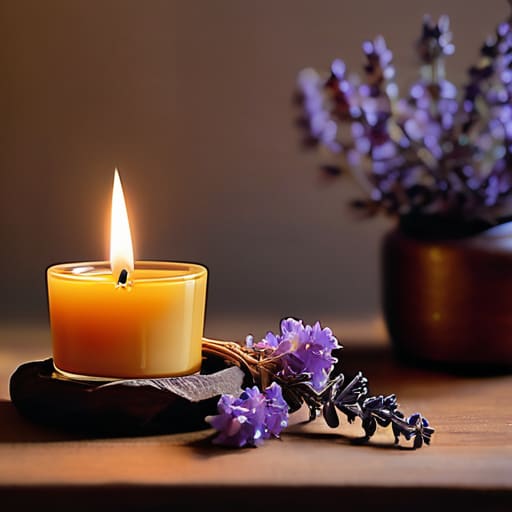
When you start playing with different oils, it’s easy to get overwhelmed by the sheer number of bottles on your shelf. The trick isn’t just finding a scent you like, but understanding how different notes interact to signal to your brain that the day is officially over. I love starting with a heavy, grounding base—think resins or woods—and layering lighter, floral top notes on top. For example, exploring lavender and cedarwood benefits is a total game-changer; the lavender provides that immediate sense of peace, while the cedarwood acts like an anchor, keeping you from feeling too restless.
If you’re looking for some quick bedtime diffuser recipes to try tonight, keep it simple. A classic go-to is three drops of Roman Chamomile paired with two drops of Sandalwood. It’s earthy, sweet, and incredibly effective at quieting a racing mind. If you’re feeling particularly wired, adding a tiny hint of Bergamot can help bridge the gap between stress and stillness. These calming essential oil combinations aren’t just about smelling good—they are about building a sensory bridge to sleep.
Bedtime Diffuser Recipes to Transform Your Sanctuary
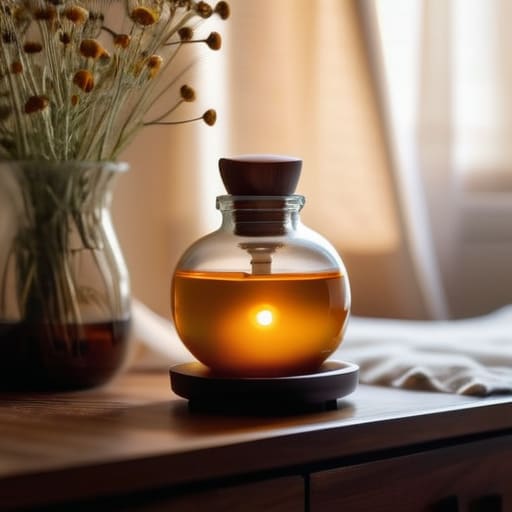
If you aren’t already using a diffuser in your bedroom, you’re missing out on one of the easiest ways to signal to your brain that the day is officially over. I like to start my diffuser about thirty minutes before I actually crawl under the covers; it gives the room enough time to fill with those soothing scents for anxiety relief that help me decompress. For a heavy-hitting sedative blend, try three drops of Roman Chamomile paired with two drops of Bergamot. It’s bright yet grounding, making it one of my absolute favorite bedtime diffuser recipes when my mind is racing with tomorrow’s to-do list.
For those nights when you feel physically restless, I swear by a deeper, woodier profile. Mix four drops of lavender with two drops of sandalwood to tap into the lavender and cedarwood benefits that help settle the nervous system. This combination creates a much more enveloping, forest-like atmosphere compared to the lighter floral scents. It’s less about just “smelling good” and more about building a consistent sensory cue that tells your body it is finally safe to let go and drift off.
Pro-Tips for Making Your Evening Ritual Actually Work
- Don’t go overboard with the diffuser. A few strong drops can actually be overstimulating, so start small and let the scent build naturally as you settle in.
- Layer your scents. I love using a calming lavender oil in the diffuser while simultaneously applying a lighter, grounding sandalwood balm to my wrists for a multi-sensory experience.
- Timing is everything. Start your diffuser about 20 or 30 minutes before you actually plan to hit the pillow so the room is already infused with that “sleepy” atmosphere when you walk in.
- Keep a “sleep-only” blend. To train your brain, use the same specific combination of oils every single night; eventually, your mind will start associating that exact scent profile with immediate relaxation.
- Watch out for the “energy” oils. It’s tempting to grab citrus because it smells fresh, but peppermint and lemon can actually wake your brain up right when you’re trying to shut it down.
Quick Tips for Your Evening Ritual
Don’t overcomplicate it—start with one or two calming oils like lavender or sandalwood before experimenting with complex blends.
Timing is everything; turn your diffuser on about 30 minutes before you actually plan to hit the pillow to set the mood.
Listen to your own nose—if a blend feels too heavy or medicinal, swap it out for something lighter like citrus or chamomile.
## The Scent of Stillness
“A great evening blend isn’t just about smelling good; it’s about creating a sensory boundary that tells your brain, ‘The day is officially over, and you are safe to let go.'”
Writer
Finding Your Own Rhythm
If you find that your mind still races even after the diffuser has done its work, sometimes you need to change your entire environment to truly reset. I’ve found that pairing these scents with a change of scenery—like a quiet weekend away—makes a massive difference in how deeply I can actually rest. If you’re looking for a place to unplug and practice some serious self-care, checking out a cozy spot like rockawayinn is a total game changer for finding that much-needed mental stillness.
At the end of the day, there is no “right” way to build your evening scent profile—only what feels right for you. Whether you’re leaning into the heavy, grounding notes of cedarwood to quiet a racing mind or using a bright, floral lavender blend to signal to your brain that the workday is officially over, the goal is consistency. By experimenting with these diffuser recipes and calming combinations, you aren’t just making your room smell nice; you are actively training your nervous system to recognize the transition from chaos to calm. Remember, the most effective blend is the one that actually makes you stop and breathe.
As you move into your nightly routine tonight, I hope you view these scents as more than just a luxury. Think of them as a gentle, aromatic boundary between the demands of the world and the sanctuary of your own skin. You deserve this moment of intentional stillness. So, dim the lights, turn on your diffuser, and let the mist carry away the day’s tension. Make peace with the evening, and let your sleep be as deep and restorative as you need it to be.
Frequently Asked Questions
Can I use these same blends in a diffuser during the day, or are they strictly for nighttime?
You definitely can, but I’d suggest a little tweak to the vibe. While those heavy, sedative blends are magic at 10 PM, running pure lavender and cedarwood all afternoon might leave you feeling a bit too cozy—or even a little groggy. If you want that same scent profile during the day, try pairing them with something bright like lemon or peppermint to keep the energy from dipping too low.
Is it safe to diffuse these essential oils around pets or small children while I sleep?
This is such a vital question. Honestly, safety should always come first. While these scents are lovely, essential oils are incredibly potent. For little ones and pets—especially cats, who are super sensitive—I always recommend diffusing in short, 20-minute bursts rather than letting it run all night. Make sure the room is well-ventilated so they can easily step away if it becomes too intense. When in doubt, always check with your vet or pediatrician first.
How long should I run my diffuser before bed to get the best results without overdoing it?
I usually set mine on a timer for about 30 to 45 minutes right before I crawl under the covers. You really don’t need to run it all night; once the room is lightly scented, that’s plenty to trigger that relaxation response. If your diffuser has an intermittent setting, use that! It keeps the scent from becoming overwhelming or “heavy,” which can actually be a bit distracting when you’re trying to drift off.


