by
by I’ve lost count of how many times I’ve sat in a cozy armchair, ready to dive into a brilliant new novel, only to realize my “aesthetic” desk light is actually a total nightmare for my eyes. There is this ridiculous myth floating around that you need to drop two hundred dollars on some designer piece just to get decent light, or that “warm tones” are the only way to go. Honestly? Most of those high-end options are just overpriced junk that leaves you squinting by chapter three. Finding a decent reading lamp shouldn’t feel like a high-stakes gamble or a massive hit to your bank account.
I’m not here to sell you on some fancy lifestyle brand or push overpriced gadgets you don’t need. Instead, I’m going to give you the straight truth based on years of squinting through bad lighting and testing everything from cheap thrift store finds to heavy-duty task lights. We’re going to cut through the marketing fluff and focus on what actually matters: brightness, eye strain, and finding that perfect glow. By the end of this, you’ll know exactly what to look for so you can finally just enjoy your book.
Table of Contents
Warm Light vs Cool Light Setting the Perfect Mood
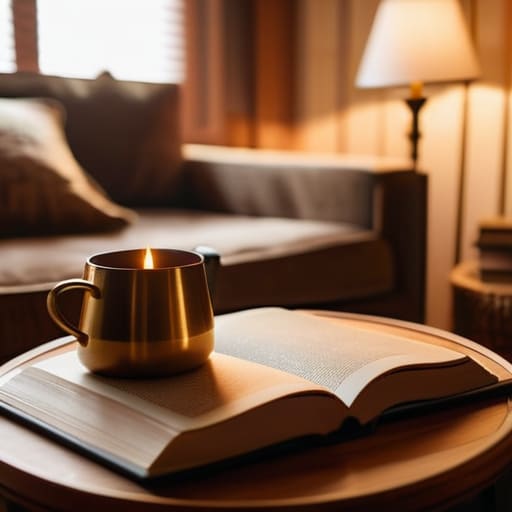
This is where most people trip up. You pick a light that looks pretty on a shelf, but the moment you crack open a novel, your eyes start feeling like they’ve been scrubbed with sandpaper. The secret lies in the debate of warm light vs cool light. If you’re settling in for a cozy evening session, you want those amber, sunset-toned hues. Warm light mimics a fireplace glow, which signals to your brain that it’s time to wind down. It’s the ultimate setup for ambient lighting for reading nooks, turning a simple corner into a sanctuary.
However, if you’re powering through a heavy textbook or a dense technical manual, that cozy glow might actually make you sleepy. For those intense sessions, a crisper, cooler light is your best friend. It mimics daylight, which helps with focus and alertness. To get the best of both worlds, I always recommend looking for something with adjustable brightness settings. That way, you can switch from “deep study mode” to “relaxing with a thriller” without having to swap out your entire setup.
Eye Strain Prevention Through Better Illumination
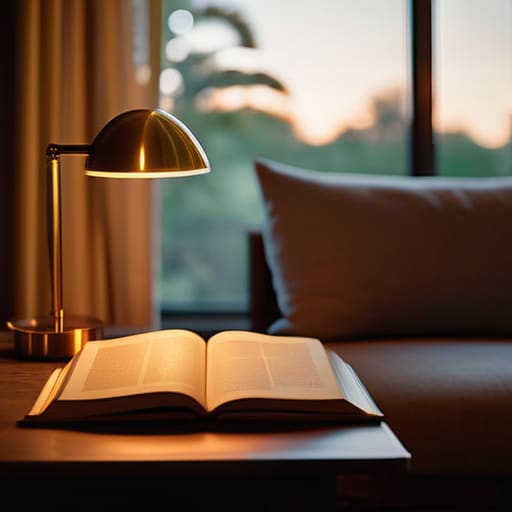
We’ve all been there: you’re halfway through a gripping chapter when suddenly your eyes start feeling heavy, scratchy, or just plain tired. That’s usually a sign that your setup is working against you. Most people make the mistake of relying on a single, harsh overhead light, which creates deep shadows on the page and forces your pupils to work overtime. To truly master eye strain prevention, you need to layer your light. Instead of one bright source, try combining a focused task light with some soft ambient lighting for reading nooks to soften the contrast between the page and the surrounding room.
If you’re finding that your current setup still feels a bit clunky or dim despite your best efforts, it might be time to look at your entire workspace ecosystem rather than just the lamp itself. Sometimes, the issue isn’t the light bulb, but how your desk and tech are arranged to catch that glow. I’ve found that getting a little professional help with your tech layout can make a massive difference in how much light actually reaches your pages, and checking out the experts at lpcomputerservices is a great way to optimize your setup so you can focus entirely on the story.
The secret weapon here is flexibility. Since our eyes react differently depending on the time of day or even how much caffeine is in our system, you really shouldn’t settle for a fixed bulb. Look for something with adjustable brightness settings so you can dial it back when you’re winding down for bed or crank it up during a deep study session. If you’re tucked into a corner, a tall floor lamp for reading can provide that perfect overhead arc without the glare, making your late-night sessions feel effortless rather than exhausting.
Pro Tips for the Ultimate Reading Setup
- Position your lamp on the opposite side of your writing hand to avoid casting annoying shadows across the page.
- Look for a lamp with an adjustable neck or swing arm so you can direct the beam exactly where your eyes need it most.
- Don’t just rely on one light source; pairing a dedicated task lamp with some soft ambient lighting in the room prevents that harsh, “interrogation room” feeling.
- Check the bulb’s brightness (lumens) rather than just the wattage—you want enough punch to see the text clearly without blinding yourself.
- If you’re a night owl, go for a lamp with a dimmer switch so you can slowly dial down the intensity as you drift toward sleep.
Quick Wins for Your Reading Nook
Don’t just settle for any old light; match your bulb’s color temperature to the vibe you’re going for, whether it’s cozy warmth or crisp focus.
Keep those headaches away by making sure your lamp is positioned to eliminate glare and shadows right across your pages.
Think about your setup as a whole—the right lamp isn’t just a gadget, it’s the secret ingredient to a comfortable, long-lasting reading session.
The Soul of the Setup
“A good reading lamp isn’t just about seeing the words on the page; it’s about carving out a little sanctuary of light in a dark room where the rest of the world finally fades away.”
Writer
Final Thoughts on Your Reading Sanctuary
At the end of the day, finding the right reading lamp isn’t just about picking out a piece of furniture; it’s about protecting your vision and curating your environment. We’ve covered a lot of ground, from the subtle psychological shifts between warm and cool tones to the practical necessity of positioning your light to prevent that dreaded eye strain. Whether you decide to go with a sleek, modern task light or a cozy, vintage floor lamp, just remember that the goal is comfort. If you aren’t fighting against shadows or squinting at the page, you’ve already won half the battle.
There is something almost sacred about that quiet hour when the rest of the world settles down and it’s just you and a great story. Your reading lamp is the gatekeeper to that experience, casting the light that turns a simple room into a private sanctuary. Don’t settle for harsh, overhead glare that kills the magic. Invest a little time into getting your lighting right, and you’ll find that your nightly reading sessions become something you truly look forward to. Now, go find that perfect glow and get lost in a book.
Frequently Asked Questions
Should I look for a lamp with a dimmer switch or just a fixed brightness?
If you have the choice, go for the dimmer. Every single time. A fixed brightness is fine if you only ever read at one specific time, but life isn’t that consistent. Some nights you want a bright, focused glow to power through a dense thriller, and other nights you just want a soft, amber hum while you wind down. Having that control makes a massive difference in how much you actually enjoy your reading nook.
Is it better to get a clip-on light for my head or a dedicated desk lamp?
It really depends on where you’re hunkered down. If you’re a serial bed-reader who constantly shifts positions, a clip-on headlamp is a lifesaver—it follows your gaze so you aren’t constantly adjusting. But if you’ve got a dedicated reading nook or a desk, go with a proper lamp. A desk lamp offers much better light distribution and won’t give you that annoying “flashlight in the face” feeling.
How far away should the lamp actually be from my book to avoid shadows?
The “sweet spot” is usually about 15 to 20 inches away from your book. If you tuck the lamp too close, you’ll end up casting a massive shadow with your own head or hands right over the page. If it’s too far, the light gets too thin and weak. Aim for a position that’s slightly to one side rather than directly behind you—it keeps the glare down and the shadows out of your way.