 by
by I still remember sitting in a freezing, mud-caked creek bed at 4:00 AM, my fingers so numb I could barely fiddle with the tripod legs. I wasn’t there because I had some high-end, $5,000 lens setup; I was there because I was obsessed with catching that single, fleeting moment when the mist lifts off the water. Most people think nature photography is all about owning the most expensive glass or having a gear bag that looks like it belongs to a NASA engineer, but they couldn’t be more wrong. It’s not about the spec sheet; it’s about that gut-wrenching feeling when the light finally hits the valley just right.
I’m not here to sell you on some expensive gear list or give you a lecture on technical settings that you could find in any dusty manual. Instead, I’m going to give you the real deal—the kind of hard-won, messy, and unpolished advice that actually works when you’re out in the elements. We’re going to skip the fluff and focus on how to actually see the world through your lens so you can stop taking snapshots and start creating soulful imagery.
Table of Contents
Chasing the Glow Golden Hour Lighting Tips
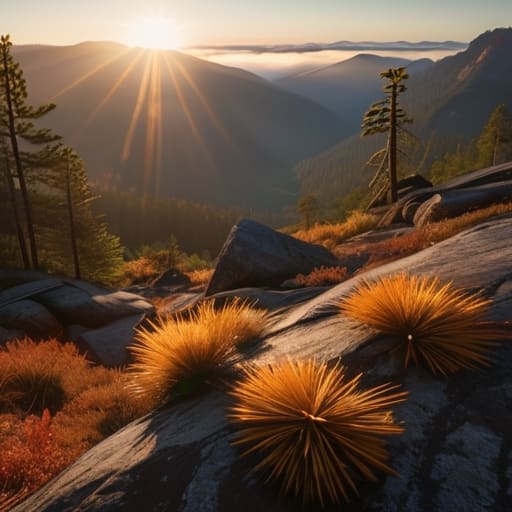
There is a reason photographers lose sleep over the sunrise. That fleeting window when the sun hangs low on the horizon isn’t just “nice lighting”—it’s transformative. When you’re applying golden hour lighting tips to your workflow, you’re looking for that soft, directional warmth that wraps around subjects rather than flattening them. Instead of the harsh, vertical shadows of midday that make everything look two-dimensional, this low-angle sun adds depth and texture to every leaf and ridge.
To really make the most of it, try playing with backlighting. Position yourself so the sun peeks just behind your subject; it creates a stunning rim light effect that makes elements pop against the background. This is a game-changer for composition in landscape photography, as it helps separate the foreground from the distant horizon. Just keep an eye on your exposure settings, as the high contrast between the bright sky and darker shadows can trick your camera into underexposing the scene. Timing is everything, so get there early and be patient—the best light usually waits for no one.
Wildlife Photography Techniques for Capturing Raw Instinct
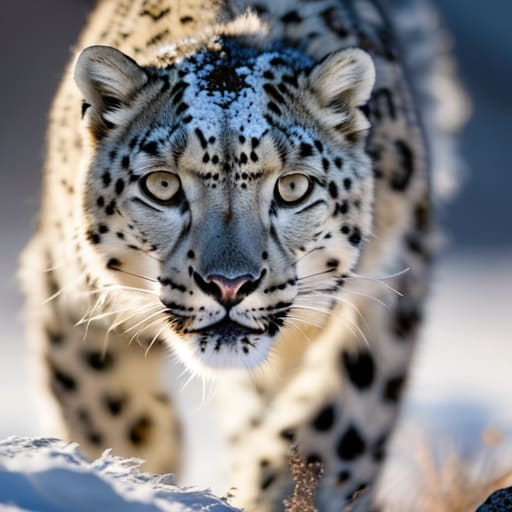
Let’s be real: wildlife photography is a whole different beast compared to still landscapes. You aren’t just waiting for the light to hit a mountain; you’re playing a high-stakes game of hide-and-seek with creatures that don’t care about your settings. To truly capture that raw, unscripted energy, you have to master certain wildlife photography techniques that prioritize patience over everything else. It’s about learning to read the environment—noticing the slight tilt of a bird’s head or the way a deer freezes mid-step—so you can strike the second the instinctual moment hits.
Gear is obviously a massive factor here, but it’s not just about having the most expensive glass. While you definitely want the best lenses for outdoor photography to maintain a safe distance, your real secret weapon is your ability to blend in. If you’re too loud or move too predictably, the magic vanishes instantly. You need to aim for those split-second interactions where the animal isn’t just a subject, but a living, breathing force. It’s less about technical perfection and more about capturing the soul of the movement before it disappears back into the brush.
Beyond the Basics: 5 Ways to Level Up Your Nature Game
- Stop obsessing over megapixels and start looking at composition. A massive sensor won’t save a boring shot; use leading lines or the rule of thirds to actually guide someone’s eye through the frame.
- Get low to the ground. Most beginners shoot everything from eye level, which makes the world look flat and clinical. If you’re shooting flowers or small critters, drop to their level to create a sense of immersion.
- Learn to read the weather, not just the forecast. A perfectly sunny day is often the enemy of a dramatic shot. Don’t run for cover when those dark, moody clouds roll in—that’s exactly when the magic happens.
- Master your depth of field. You need to know exactly how to manipulate that aperture to either make a single leaf pop against a blurred background or keep an entire mountain range tack-sharp.
- Pack light, but pack smart. You don’t need every lens in your bag, but you absolutely need a way to keep your gear dry and a sturdy tripod if you’re planning on doing any long exposures.
The Quick Cheat Sheet
Stop fighting the light; instead, learn to dance with it by timing your shoots around the sun’s natural rhythm.
Patience isn’t just a virtue in wildlife photography—it’s your most essential piece of gear.
Gear matters, but your ability to read the environment and anticipate a moment is what actually makes a shot iconic.
## The Soul Behind the Lens
“Nature photography isn’t about collecting pretty pictures like trophies; it’s about that split second where you stop being a tourist and actually start feeling the heartbeat of the wild through your viewfinder.”
Writer
Beyond the Lens
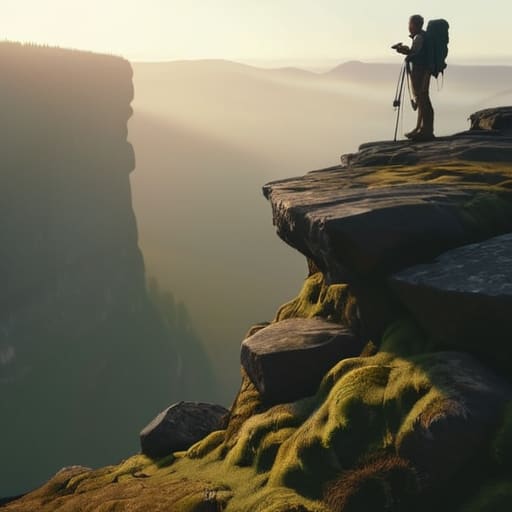
But let’s be real—all the gear in the world won’t save you if you don’t understand how to actually read the landscape before you even lift the camera to your eye. I spent years just clicking away blindly until I started studying how pros frame their shots to tell a story rather than just documenting a scene. If you’re feeling a bit stuck with your compositions, I highly recommend checking out the work over at dicristinaphoto; seeing how they handle visual storytelling really helped me stop taking “pretty pictures” and start capturing actual moments.
At the end of the day, mastering nature photography isn’t about having the most expensive glass or the flashiest settings. It’s about the synergy of everything we’ve talked about—learning to dance with the golden hour light to pull out those warm, ethereal tones, and developing the patience required to sit still until a wild creature decides to show its true self. Whether you are hunting for that perfect landscape glow or trying to freeze a split-second predator strike, the goal is to bridge the gap between the technicalities of your gear and the unpredictable rhythm of the wild.
But if you take one thing away from this, let it be this: don’t get so caught up in your viewfinder that you forget to actually experience the world around you. The most breathtaking shots often happen when you finally stop overthinking the exposure and just let yourself feel the stillness of the forest or the roar of the ocean. Photography is a way to document the earth, but it’s also a way to connect with it on a deeper level. So, pack your bags, get a little muddy, and go out there to find your own story written in the wild.
Frequently Asked Questions
How do I stop my camera from losing focus when the wind starts blowing through the trees?
Nothing kills a shot faster than a gust of wind turning your subject into a blurry mess. When the trees start dancing, ditch your single-point autofocus and switch to a continuous mode—like AF-C on Nikon or AI Servo on Canon. This tells your camera to keep hunting for that sharp edge even as things move. Also, try narrowing your aperture slightly; a bit more depth of field gives you a much-needed safety net.
Is it actually worth investing in a heavy tripod, or can I get away with handheld shots?
Look, if you’re just snapping casual shots of your dog in the backyard, handheld is fine. But if you’re serious about those crisp, tack-sharp landscapes or long-exposure shots of a waterfall, a heavy tripod isn’t a luxury—it’s a necessity. A flimsy, cheap stand will shake the moment a breeze hits, ruining your shot. If you want professional results, invest in something sturdy. Your stability is the foundation of every great image.
What’s the best way to edit my photos so they look natural rather than over-processed and fake?
The biggest mistake I see? Cranking that saturation slider until the grass looks neon. To keep things real, focus on subtle adjustments. Instead of hitting “saturation,” try a tiny nudge of vibrance—it’s way more forgiving on skin tones and foliage. Use the healing brush to clean up distractions, not to rewrite reality. If you find yourself squinting at the screen, you’ve probably gone too far. Less is almost always more.